

Pads, clichés, screens and squeegees
Pads, clichés, doctor blades, frames, squeegee rubbers and strips.
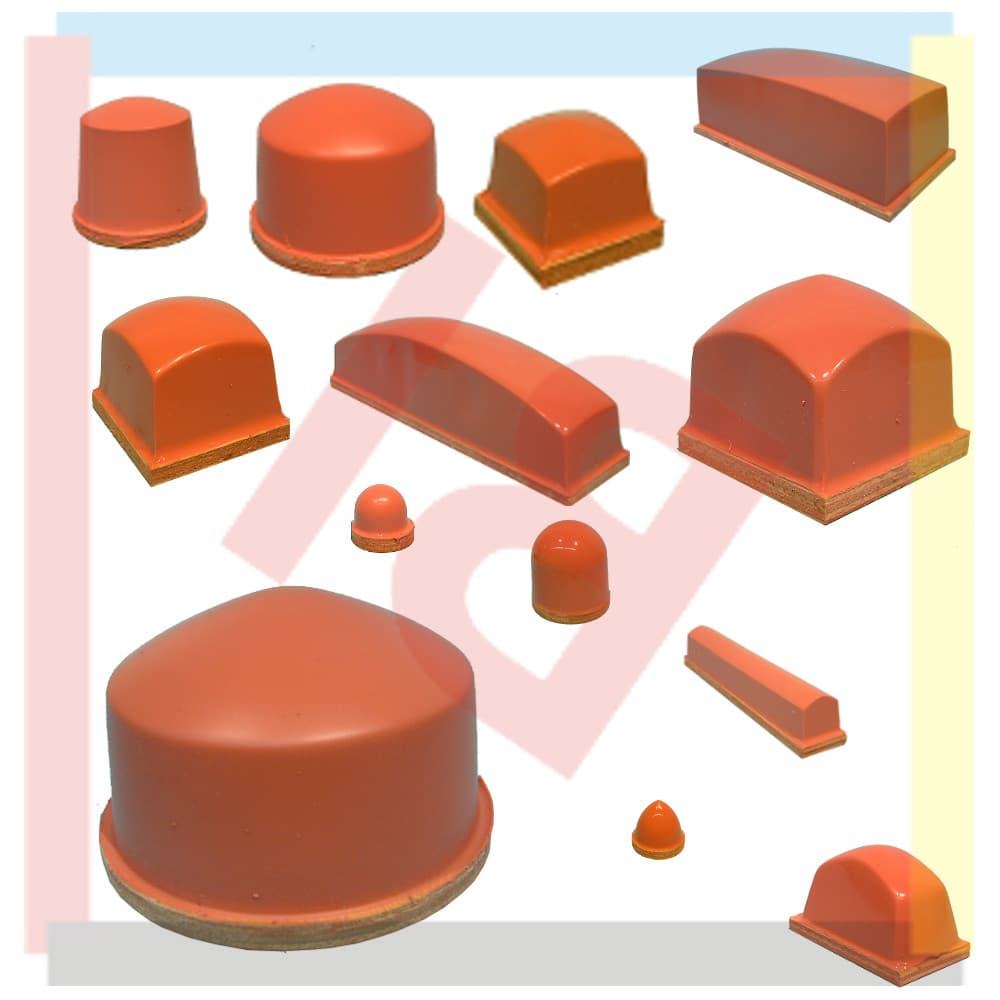
Silicone pads for pad printing
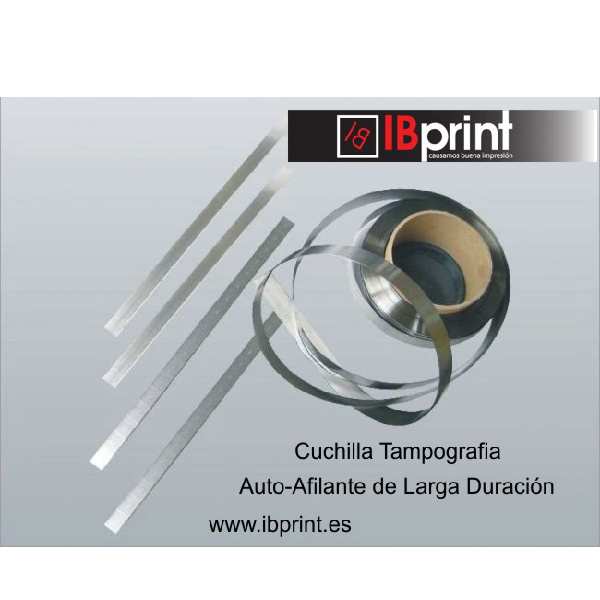
Pad printing doctor blades
Screen printing screens and frames
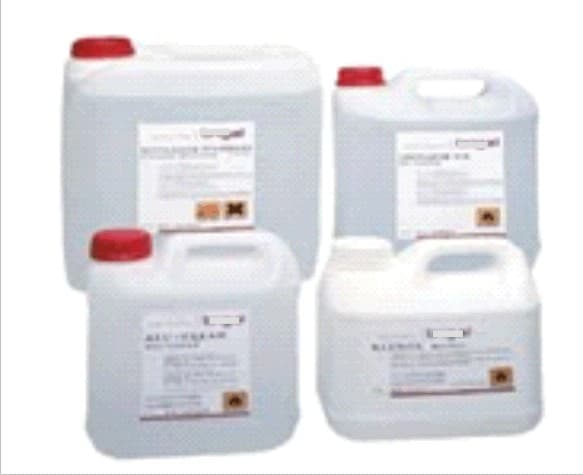
Pad printing cliché developer
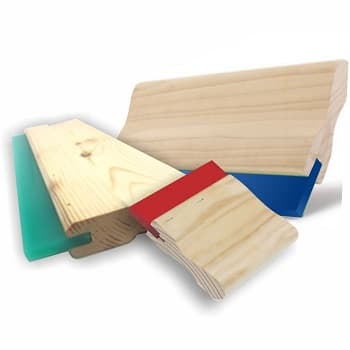
Screen printing squeegee rubbers and strips
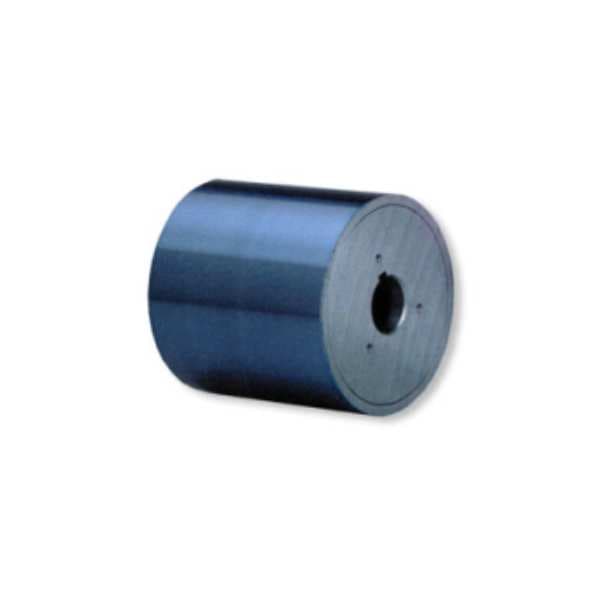
Cylindrical pad printing cliché in steel or ceramic
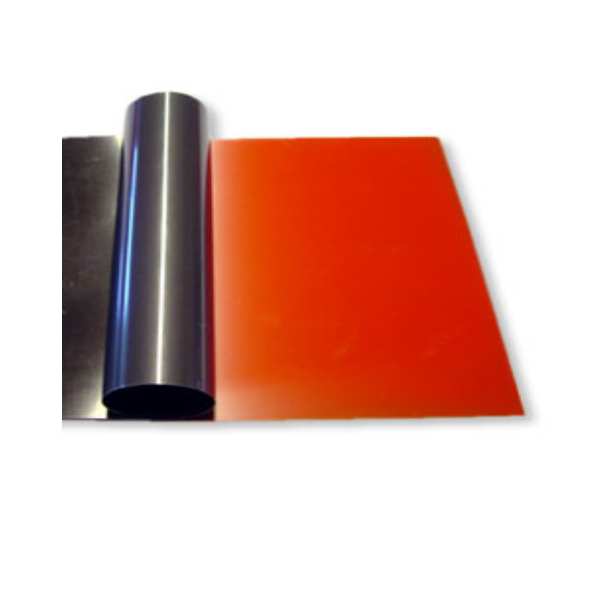
Water and alcohol pad printing clichés
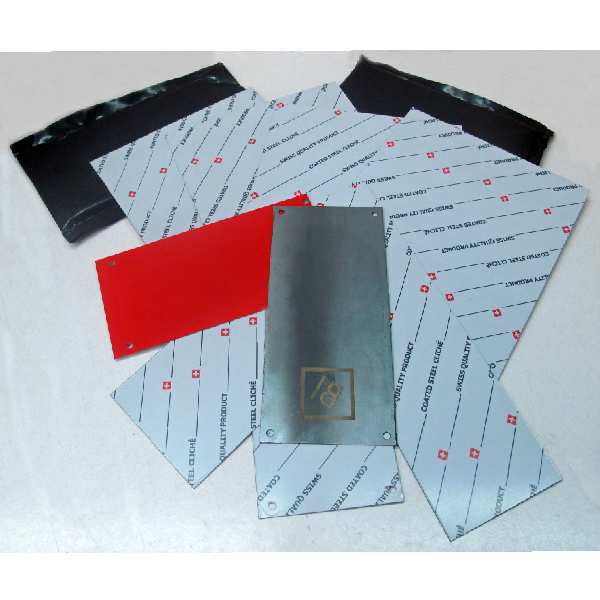
0.5 mm steel pad printing cliché
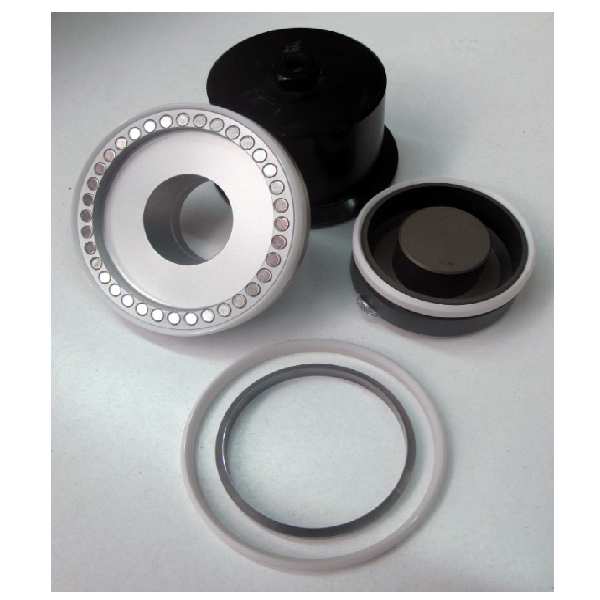
Pad printing ink cups and blades
Technical guide
Wear parts and why they decide print quality
Pads, clichés, doctor blades, meshes, frames, squeegee blades and clamping bars are parts that are consumed with use. It is the area most often neglected and the first to check when a print starts to fail, before touching the machine settings.
What pad hardness and shape do I need?
Hardness is measured in Shore. The more irregular the part, the softer the pad should be so it adapts to the shape; the finer the detail and the flatter the surface, the harder, because a soft pad squashes and distorts the design. The shape (round, rectangular, bar, asymmetric) is set by the geometry of the area to be printed, and the angle of the tip affects how the ink rolls as it is deposited, which is what prevents trapped air.
How often is a pad replaced?
There is no universal number of cycles: it depends on the ink, the solvent, the size of the design and the cleaning routine. The pad is replaced when it loses definition or stops releasing the ink evenly, and that shows up in fine detail before it shows in solid areas of colour. A pad that has absorbed solvent swells and changes hardness, so correct cleaning extends its life more than anything else.
Steel cliché or polymer plate
Steel withstands much longer runs without losing etch depth and is the standard in continuous production; it is etched by photo-etching or by laser. Polymer is considerably cheaper and can be made in-house with an exposure unit, which makes it practical for short runs, prototypes and frequent design changes. Etch depth is the parameter that sets how much ink is transferred and, with it, the final opacity.
The ink cup doctor blade
It is the blade that sweeps the cliché and removes the excess ink, leaving only what has gone into the etching. It works in contact with, and under pressure against, the steel, so it wears by design. When it loses its edge it leaves a film of ink outside the etching and haze and dirt appear in the print; it is the most common cause of a print that gets dirty for no apparent reason.
Frames, squeegee blades and clamping bars
The frame holds the mesh and the clamping bar fixes it at working tension. The squeegee blade transfers the ink, and its hardness and sharpness determine the thickness deposited: a blade rounded by use lays down more ink and loses definition. Sharpening the squeegee blades regularly is part of line maintenance, not an extra.
Frequently asked questions
About other consumables
How often should a pad printing pad be replaced?
There is no universal number of cycles: it depends on the ink, the solvent, the size of the design and the cleaning. The pad is replaced when it loses definition or stops releasing the ink evenly, which shows up in fine detail before it shows in solid areas of colour.
What silicone pad hardness do I need?
The more irregular the part, the softer the pad should be so it adapts; the finer the detail and the flatter the surface, the harder, because a soft pad distorts the design as it squashes. The shape (round, rectangular, bar, asymmetric) is set by the geometry of the area to be printed.
What is the difference between a steel cliché and a photopolymer plate?
Steel withstands much longer runs without losing etch depth and is the usual choice in continuous production. Polymer is cheaper and is made in-house with an exposure unit, which makes it practical for short runs, prototypes and frequent design changes.
What is the ink cup doctor blade and why does it wear?
It is the blade that sweeps the cliché and removes the excess ink, leaving only what has gone into the etching. It works in contact with, and under pressure against, the steel, so it wears by design: when it loses its edge it leaves a film of ink outside the etching and haze and dirt appear in the print.
Do you supply screen printing frames and mesh?
Yes: frames, squeegee blades and clamping bars for stretching, along with the rest of the line's wear parts. The mesh count is chosen according to the detail in the design and the ink thickness required.