

Screen printing, pad printing and digital printing machines
Pad printing machines, automatic and semi-automatic screen printing machines, UV and DTF digital printers and auxiliary equipment.
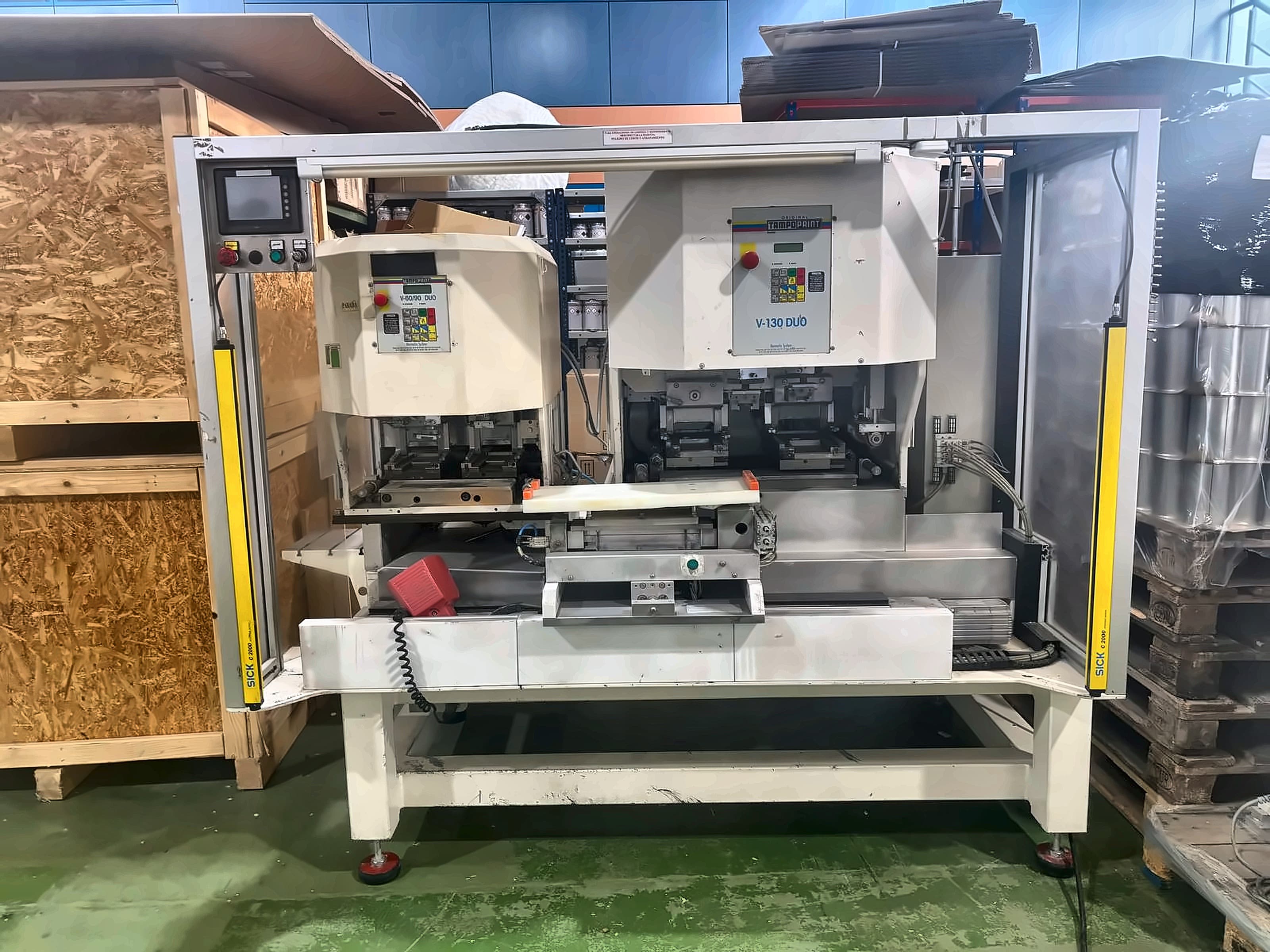
Pad printing line V90+V130 DUO
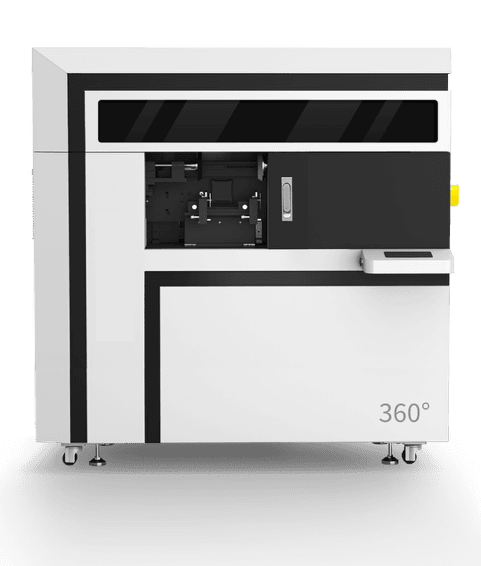
360° UV printer for bottles and tumblers
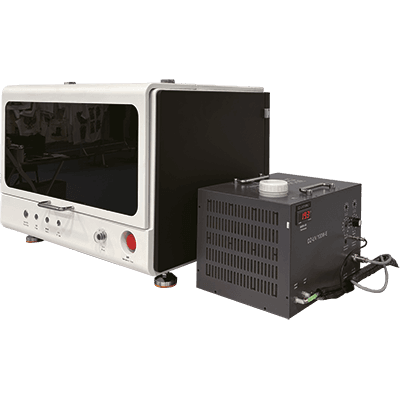
Compact UV printer for bottles and flasks
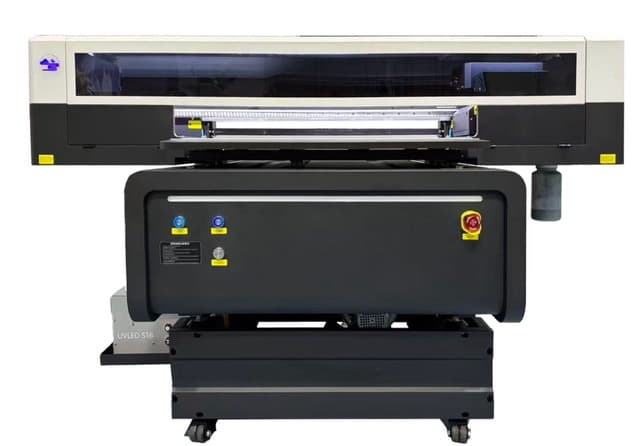
90 × 60 UV flatbed printer with UV DTF
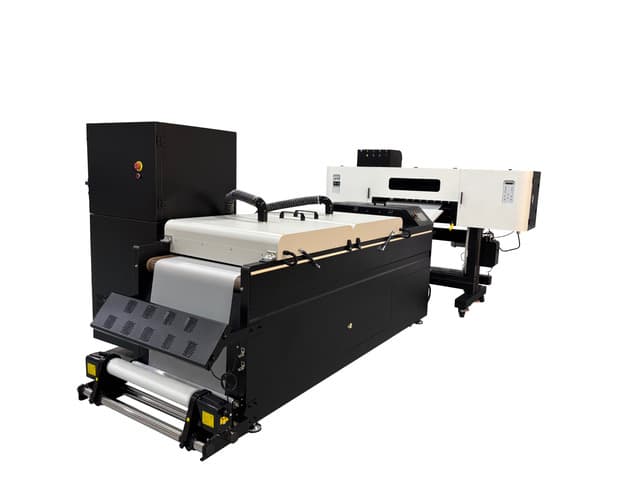
Professional textile DTF printer
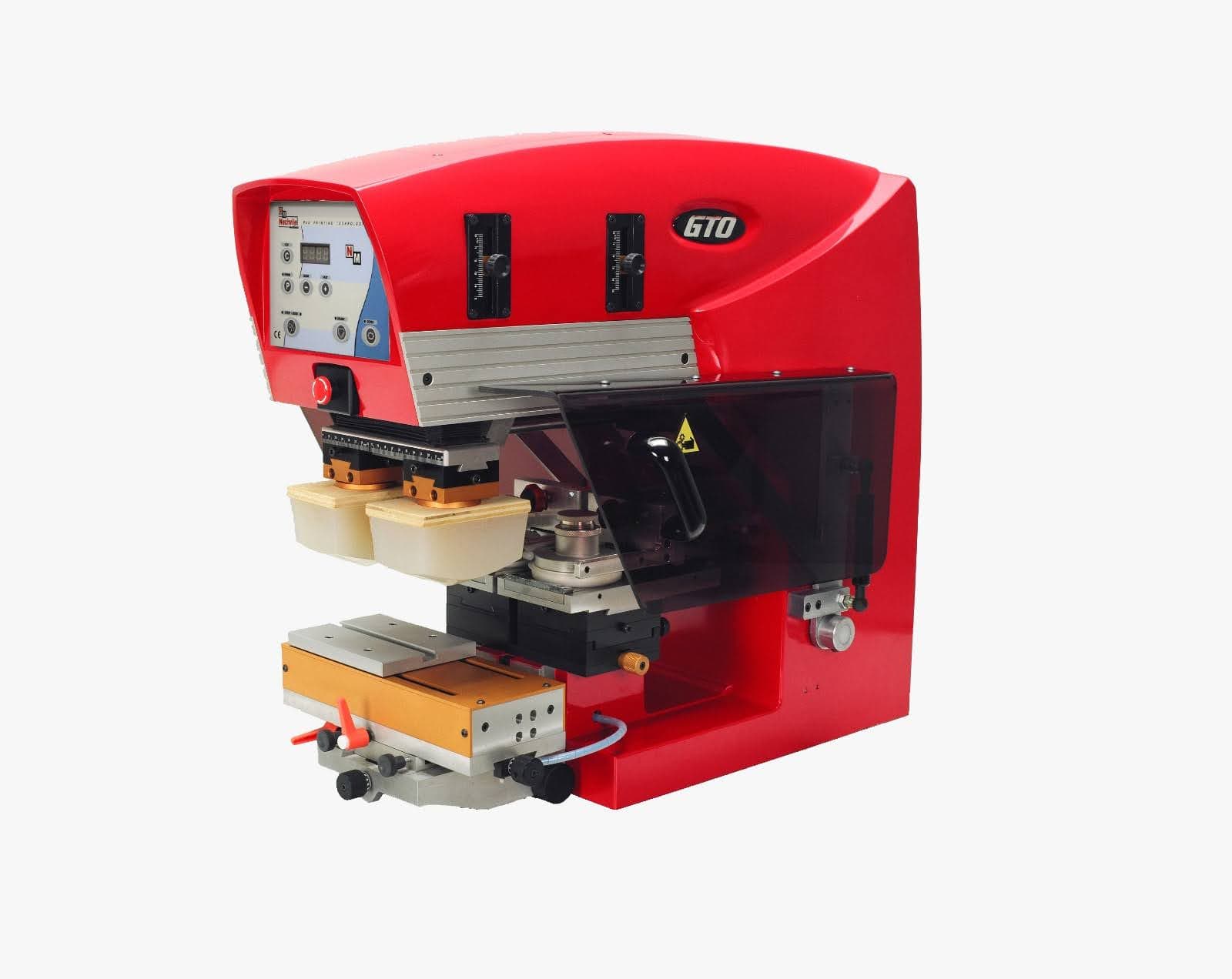
PIC – 1- or 2-colour pad printing machine
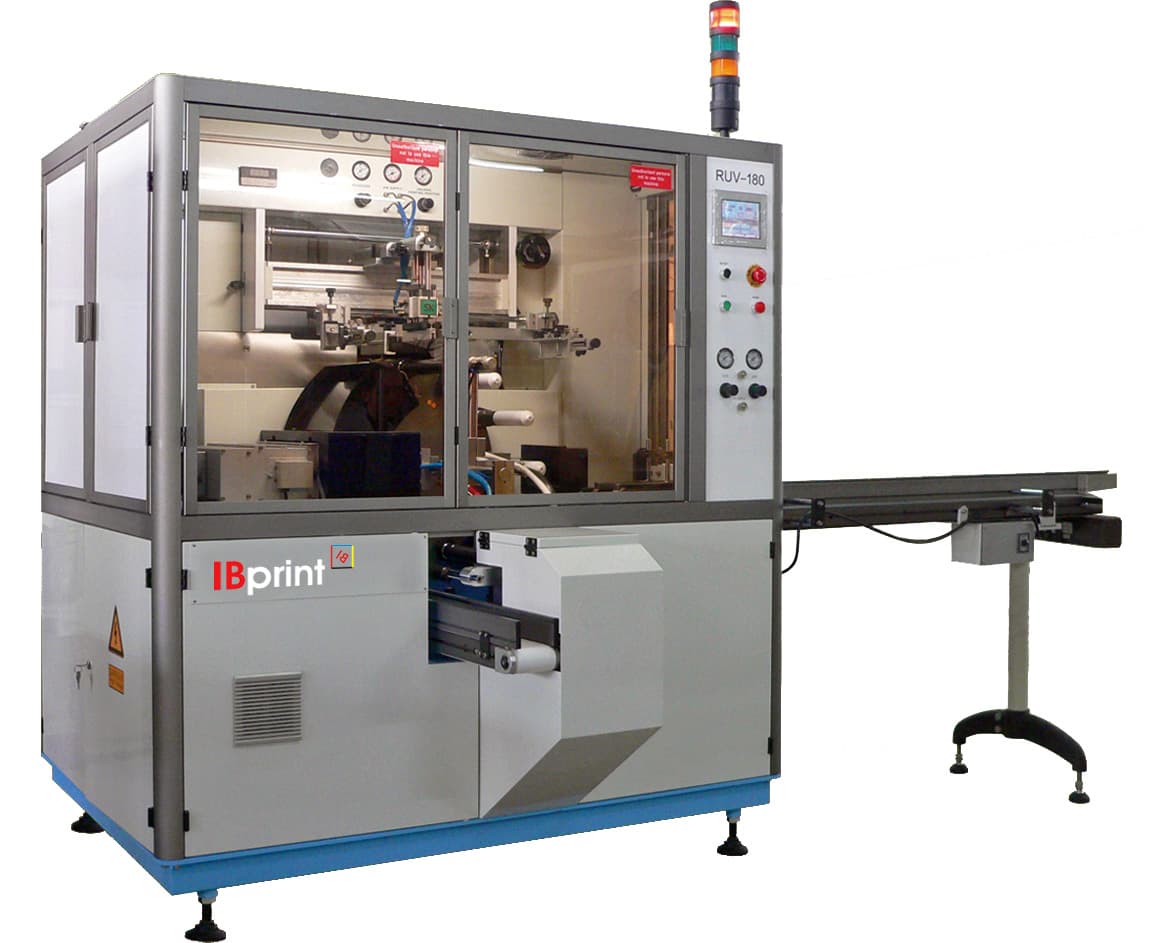
RUV-180 cylindrical screen printing machine
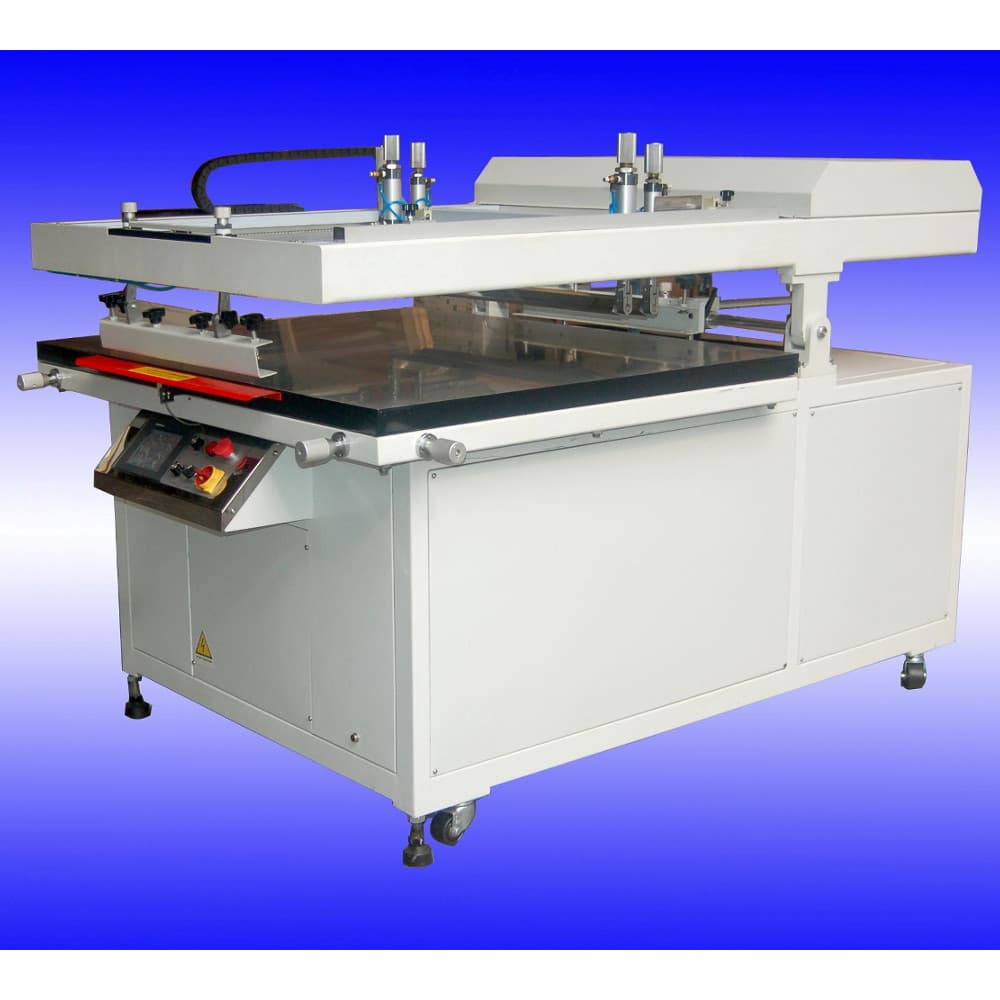
Flatbed screen printing machine with oblique arms – SS90120
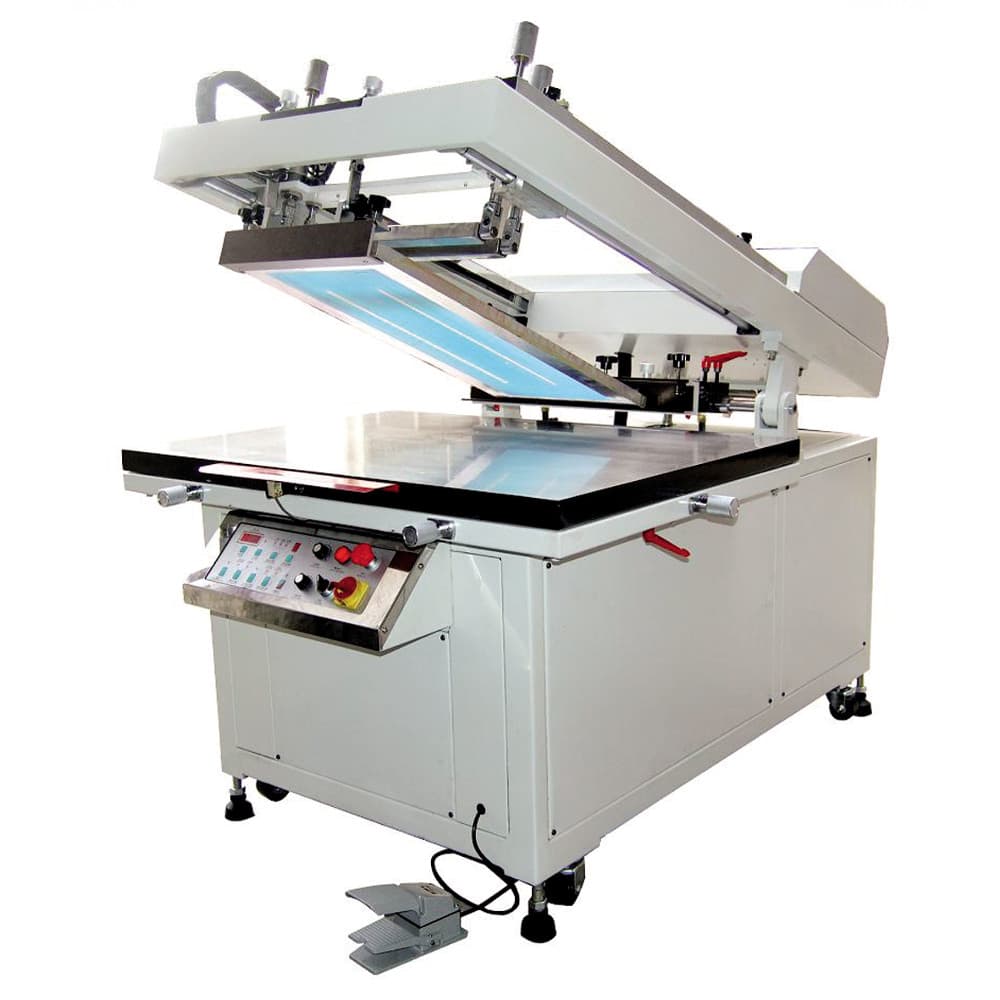
Flatbed screen printing machine with oblique arms – SS6090
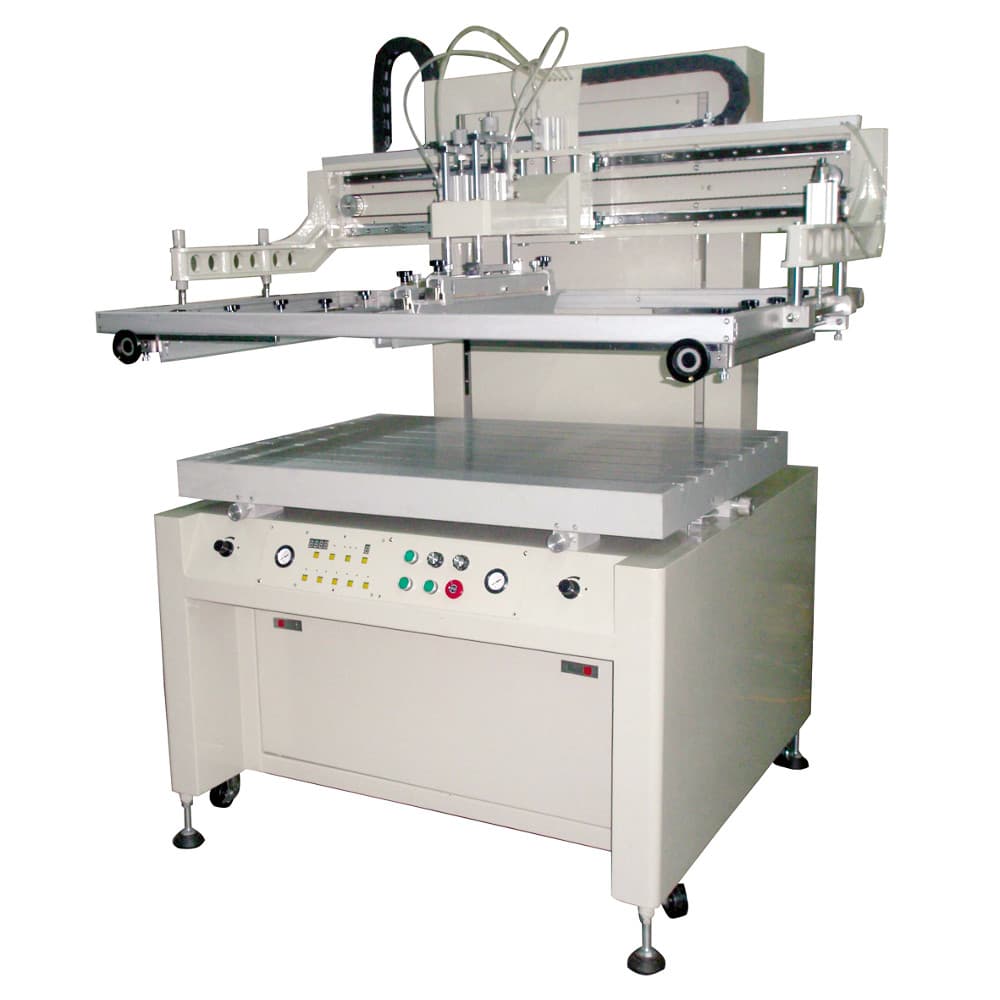
Vacuum flatbed screen printing machines – S6080/70100/90120
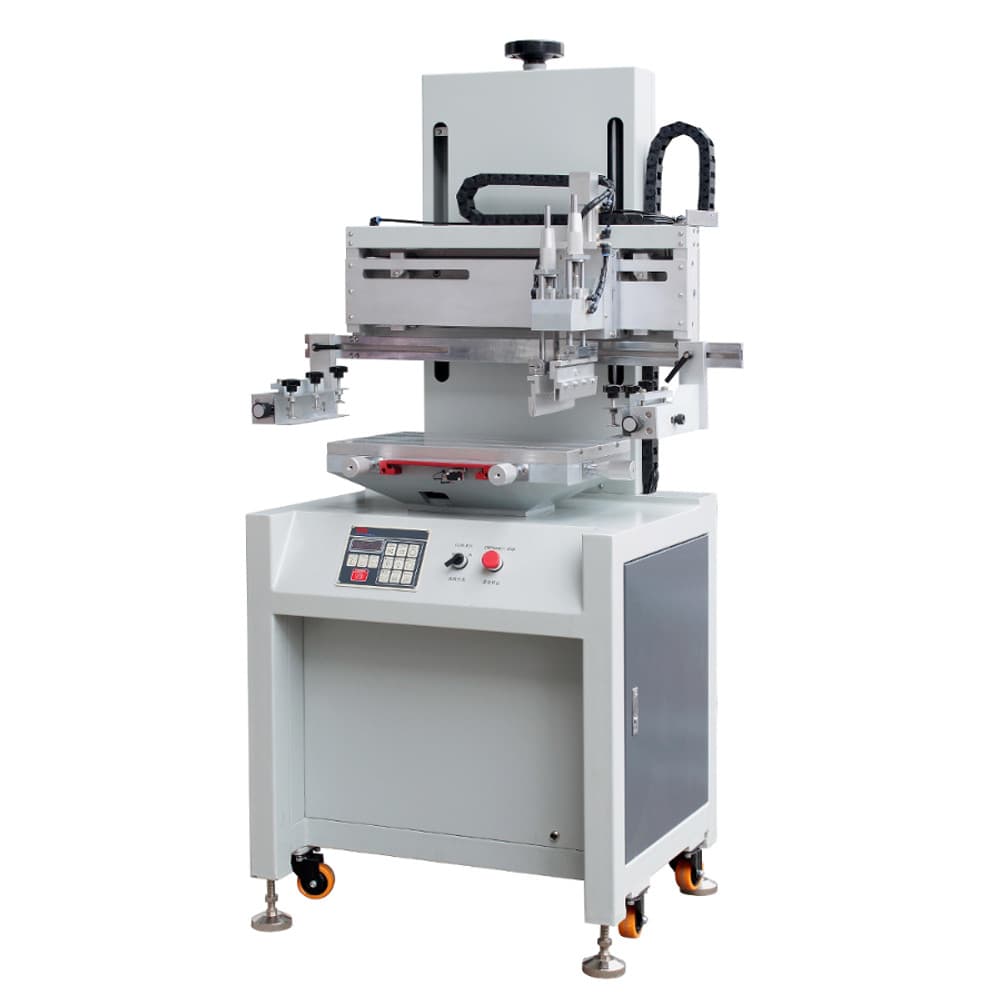
T-slot flatbed screen printing machines – S3040T/S4060T/S5070T
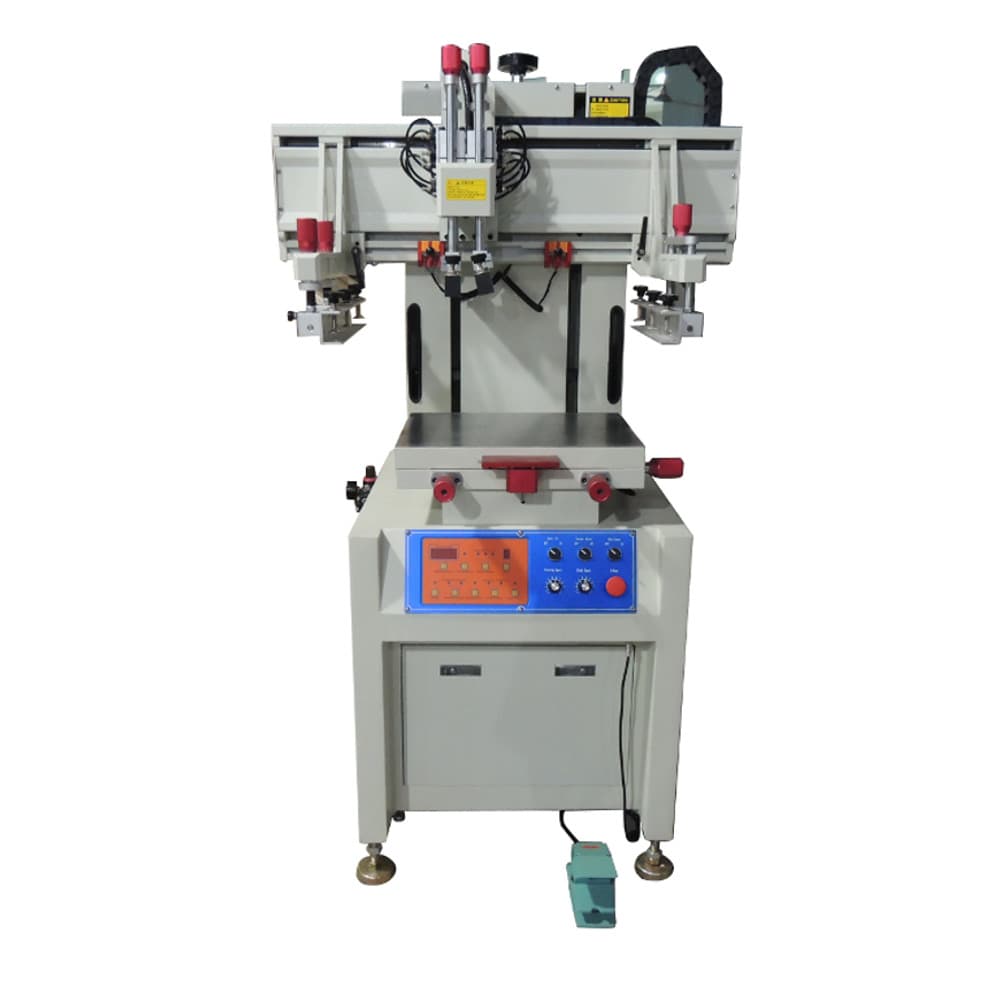
Vacuum flatbed screen printing machines S3040/S4060/S5070
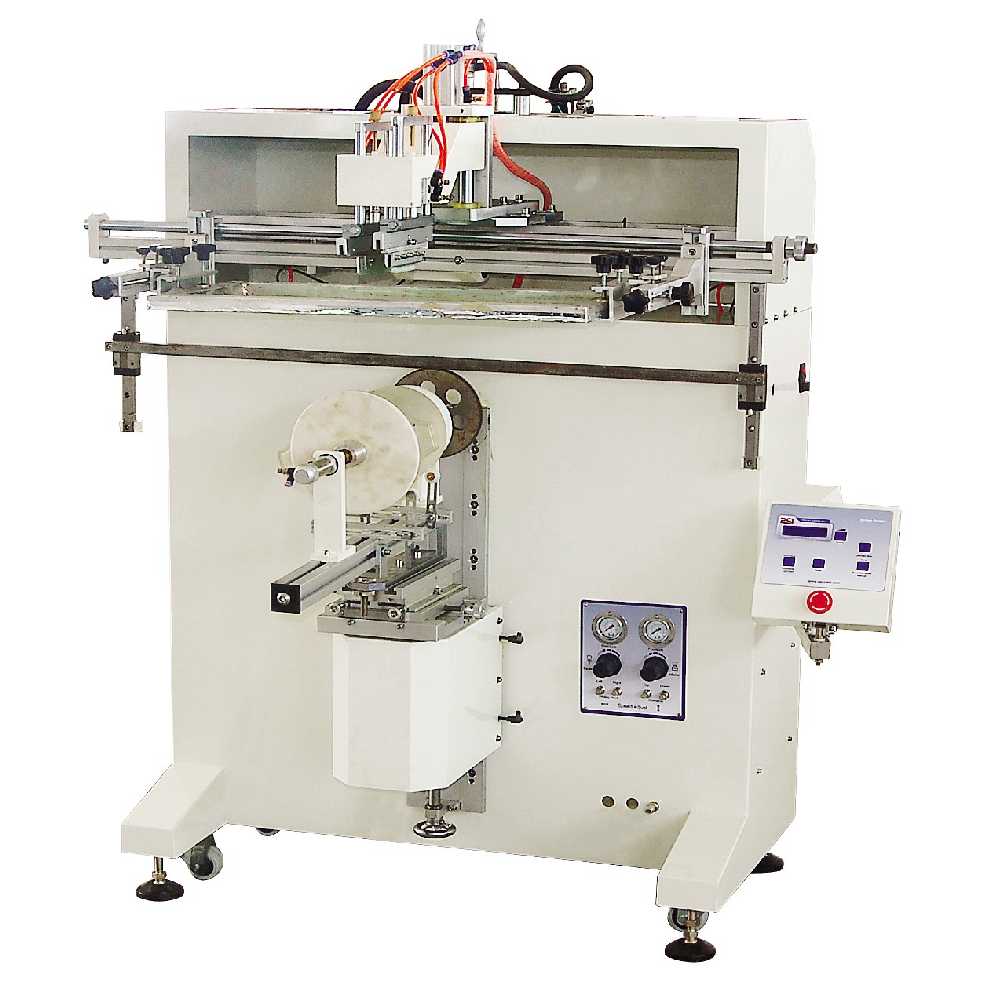
Cylindrical/oval/flat screen printing machines S300/400/650/1000
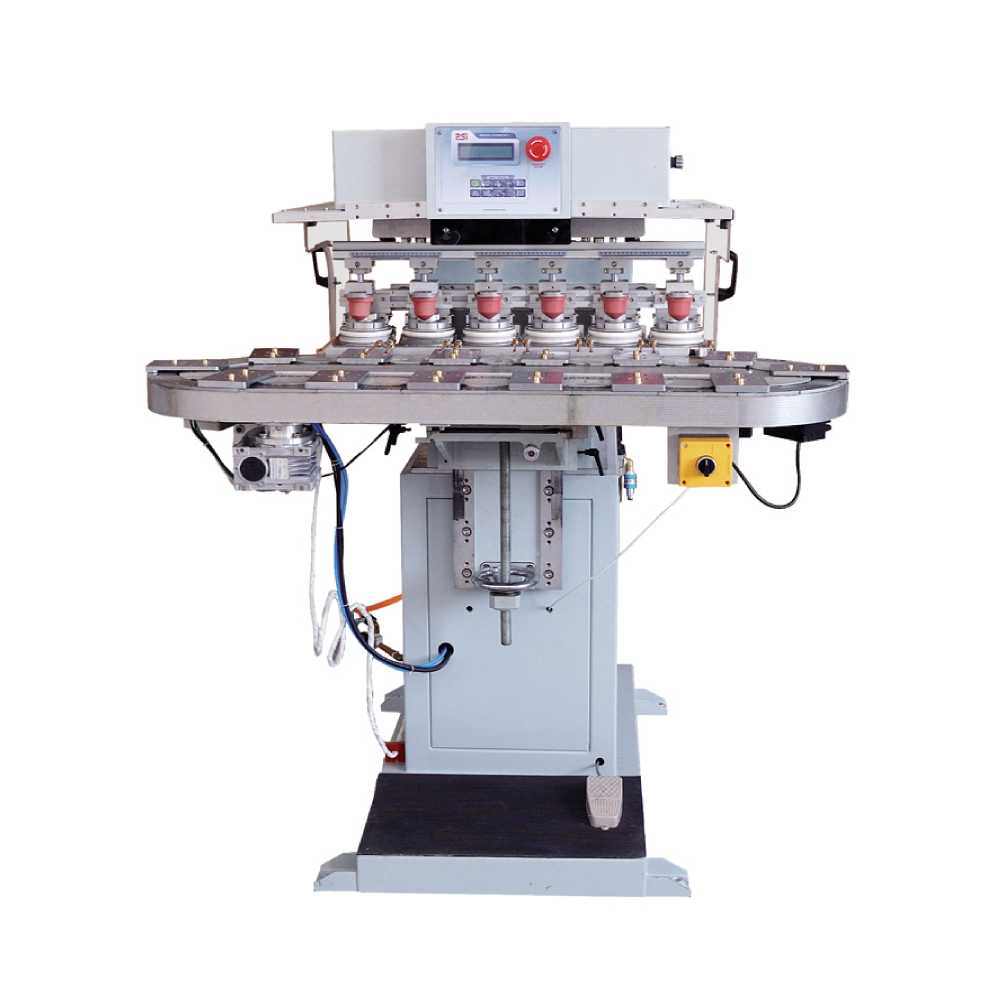
175-90C6 – 6-colour pad printing machine with conveyor
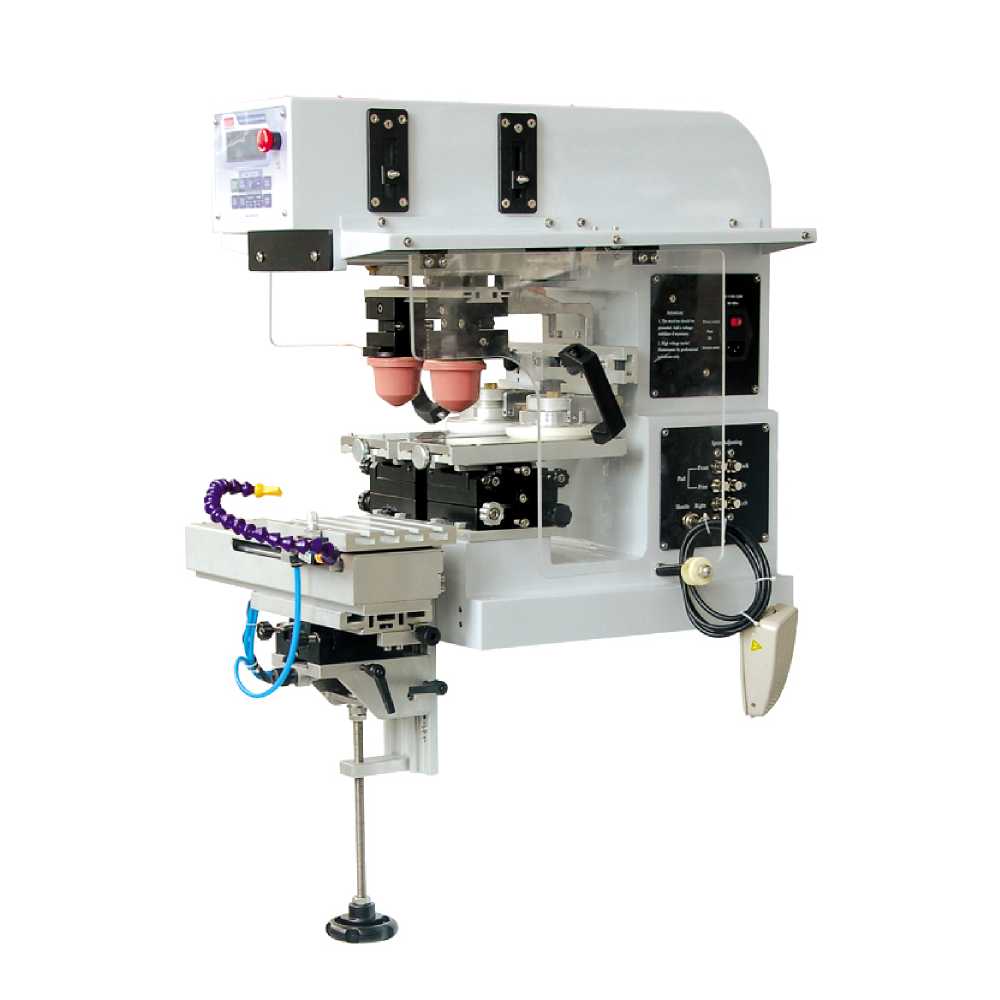
125-90S2D – Benchtop 2-colour pad printing machine
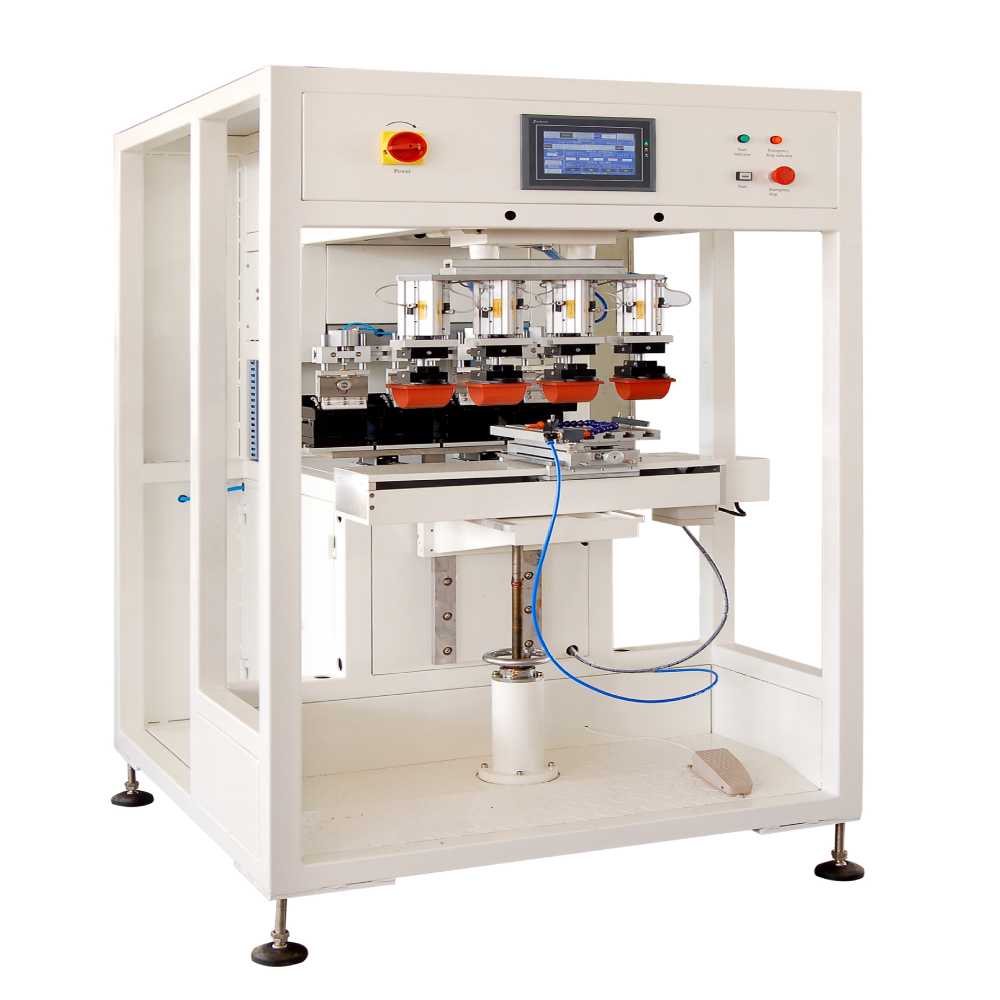
275-4SIP4 – Premium Series 4-colour pad printing machine
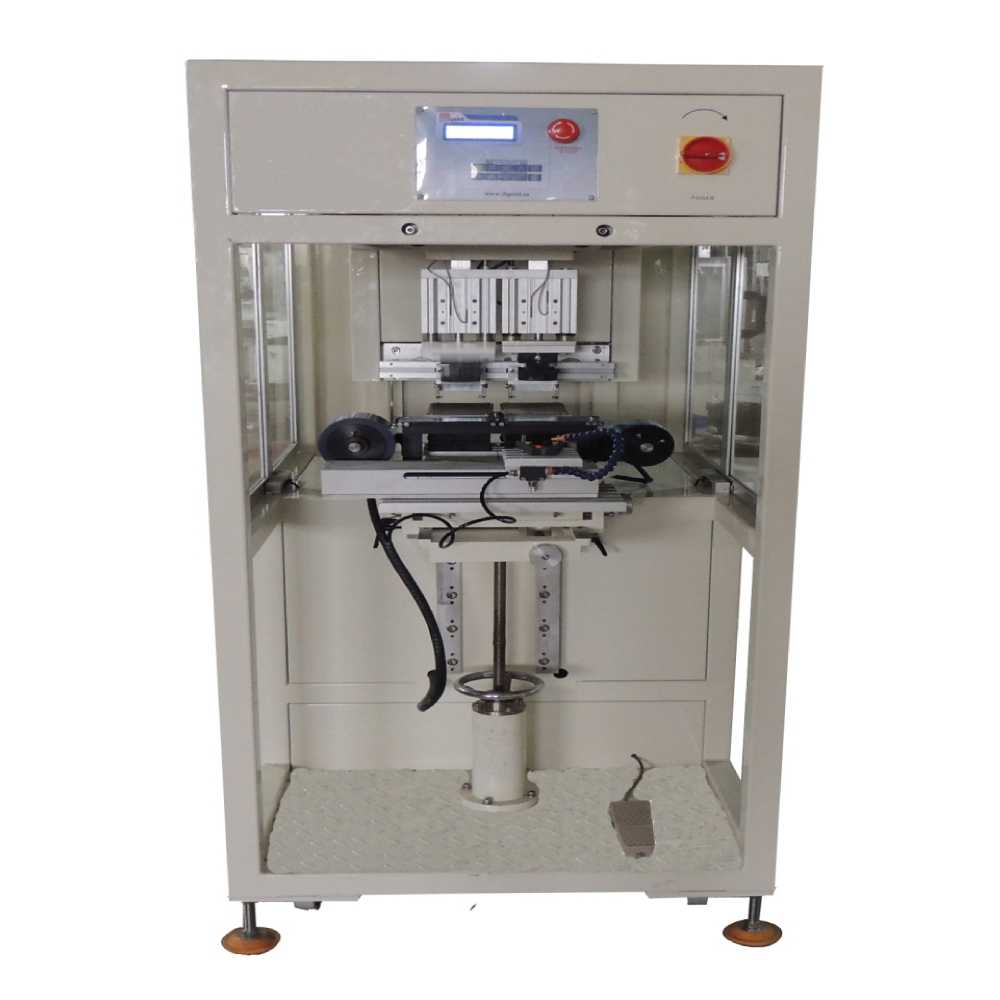
P90SIP2 – Premium Series 2-colour pad printing machine
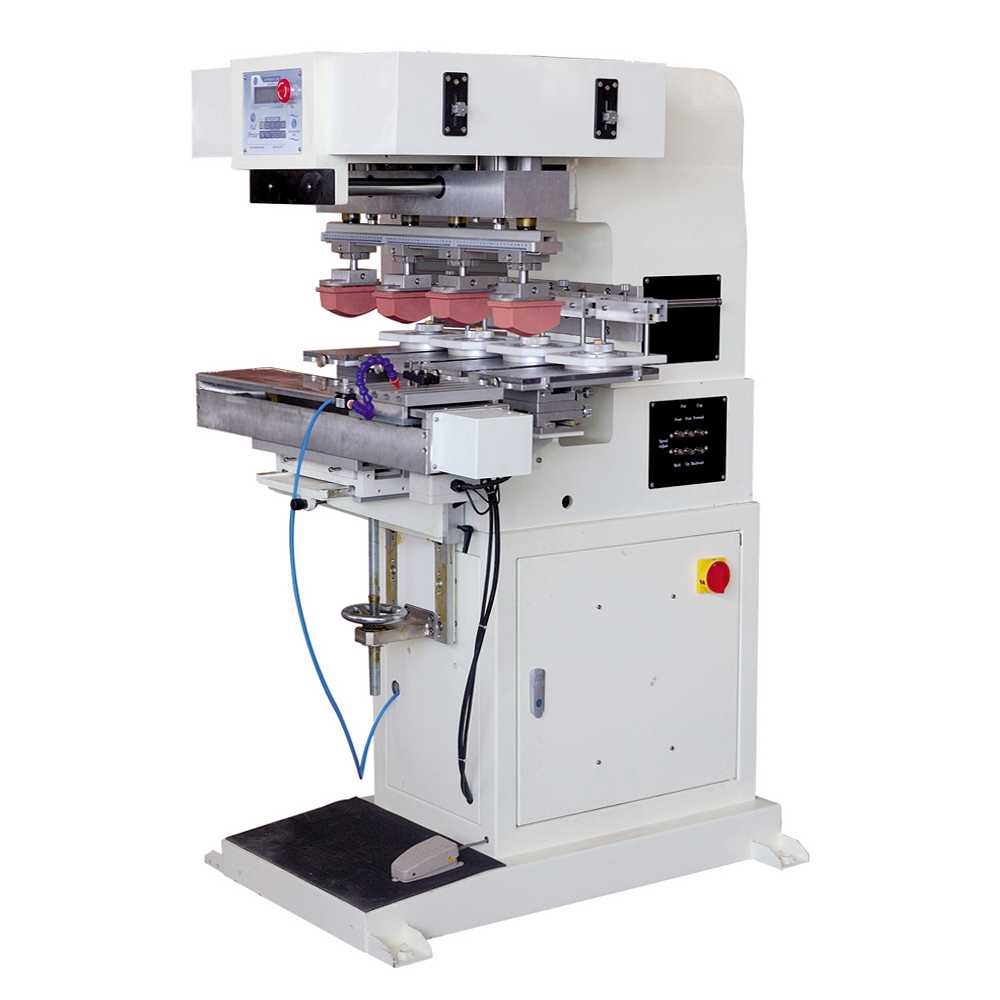
225-120S4 – 4-colour pad printing machine, 120 mm diameter
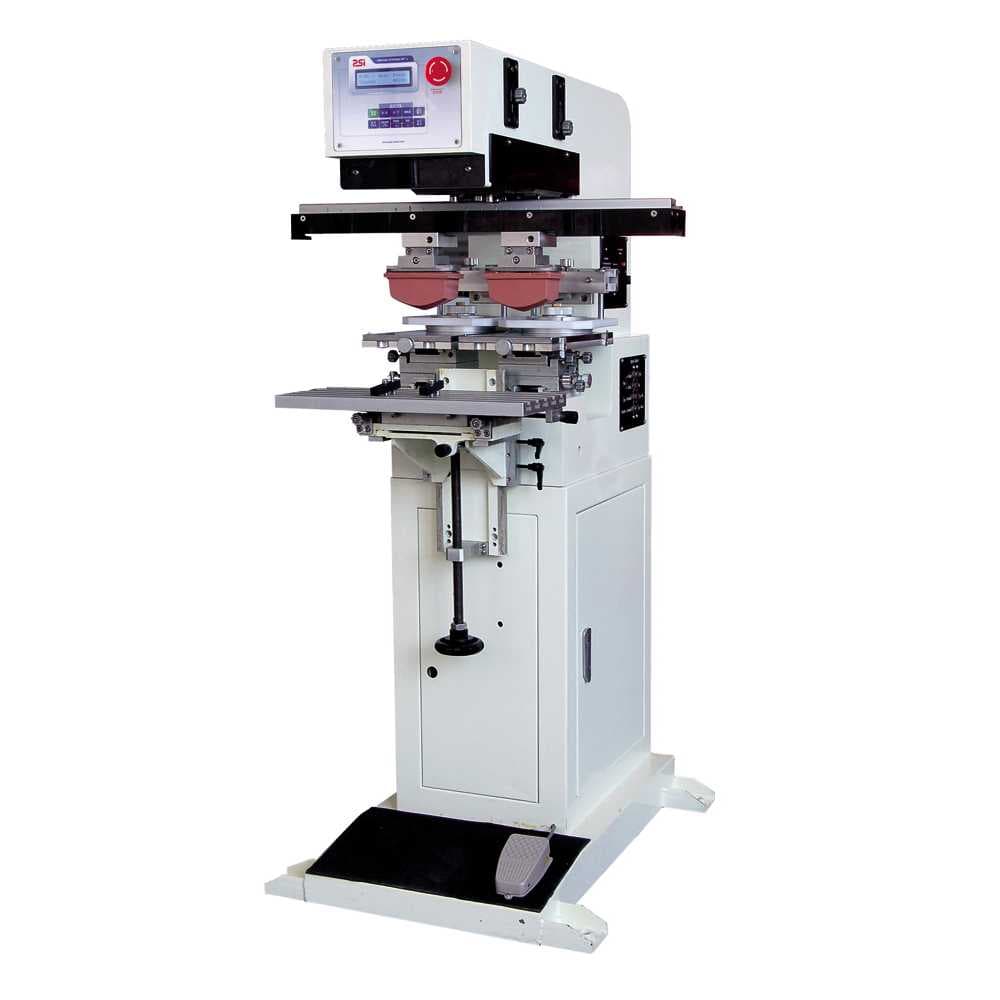
225-90PS2 – Long-stroke 2-colour pad printing machine
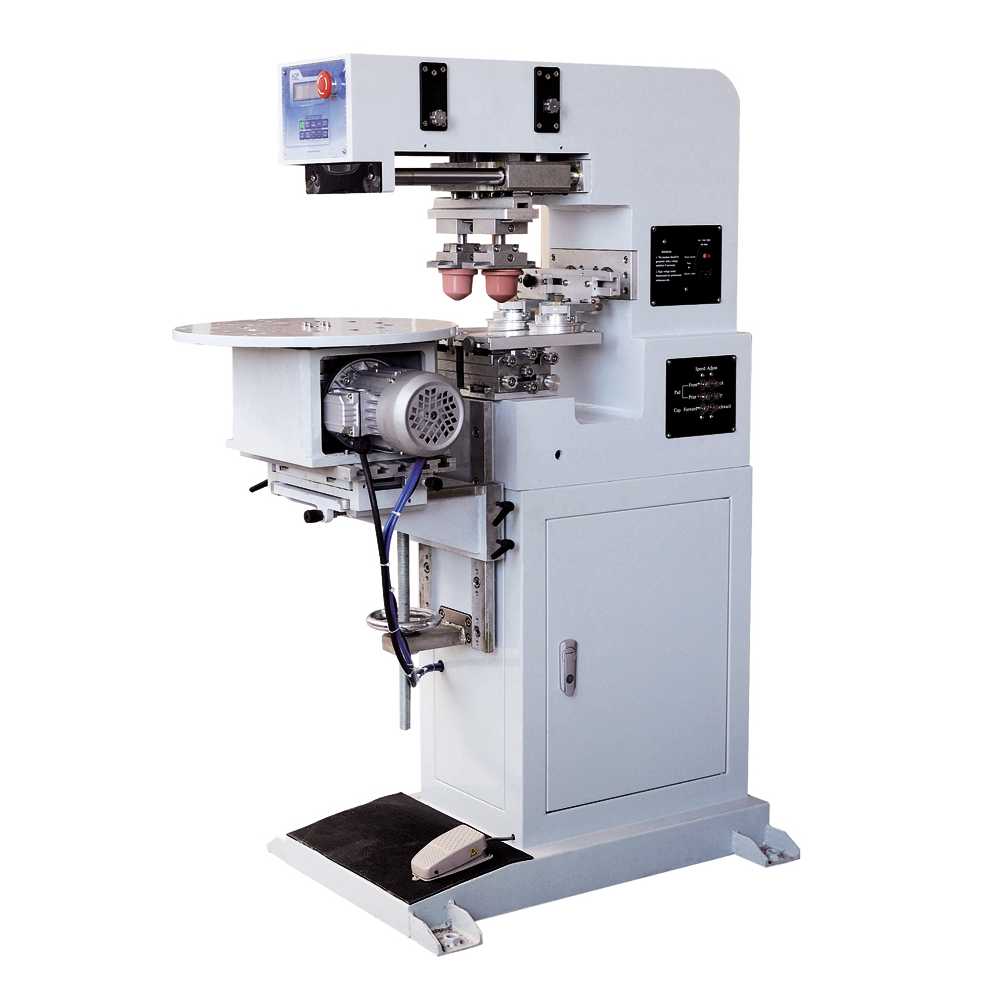
175-90X2 – 2-colour pad printing machine with turntable
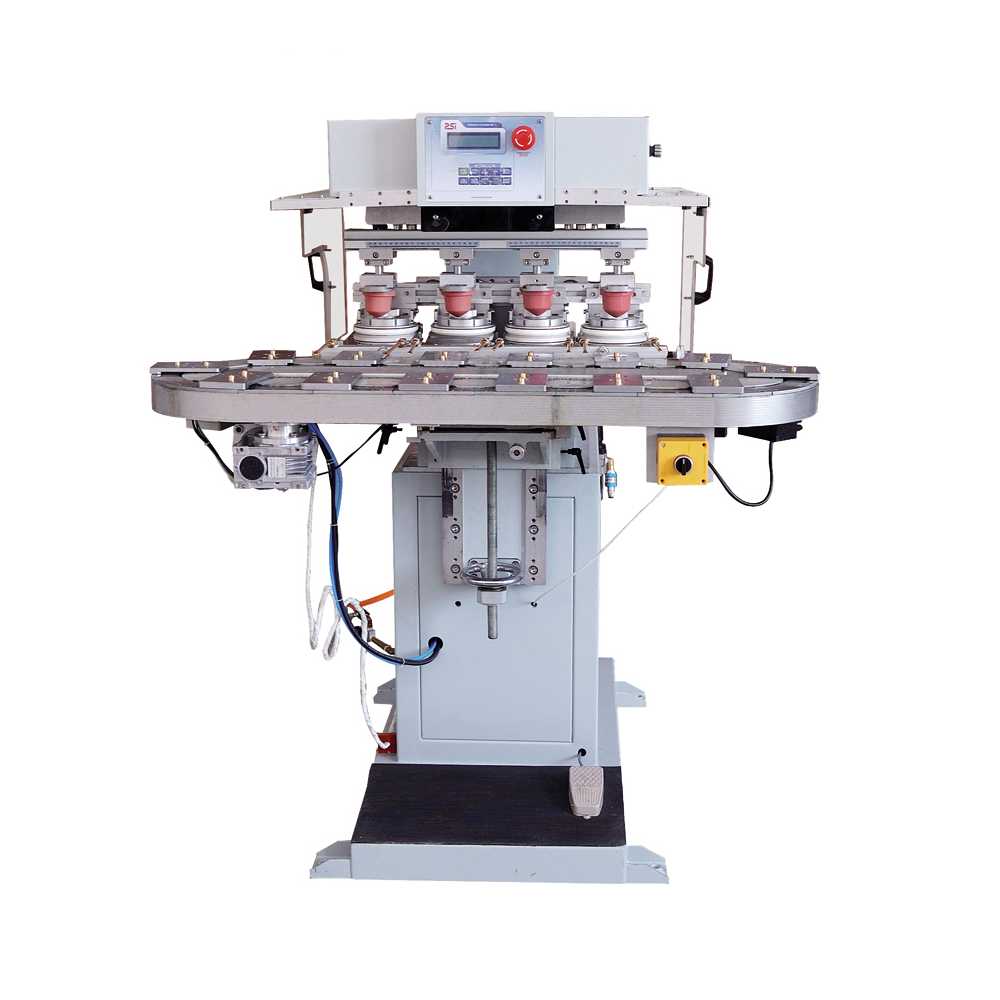
125-90C4 – 4-colour pad printing machine with conveyor
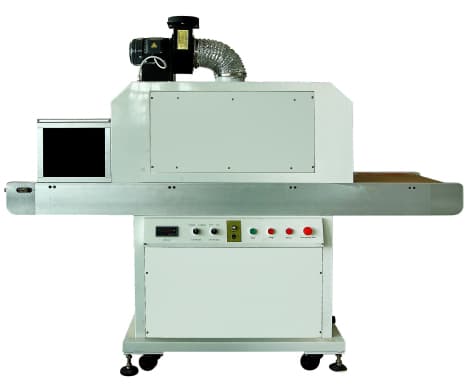
UV400/800/1000 flat UV curing ovens
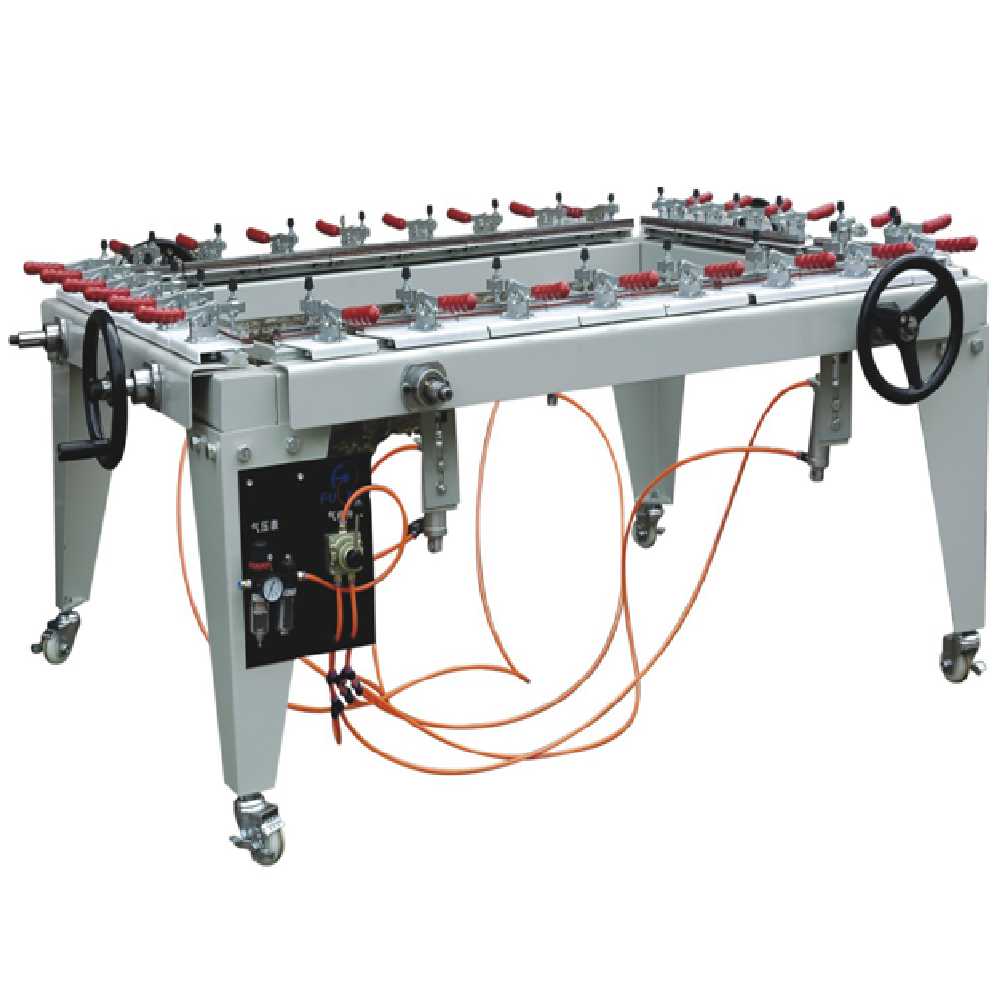
T1215 screen stretcher
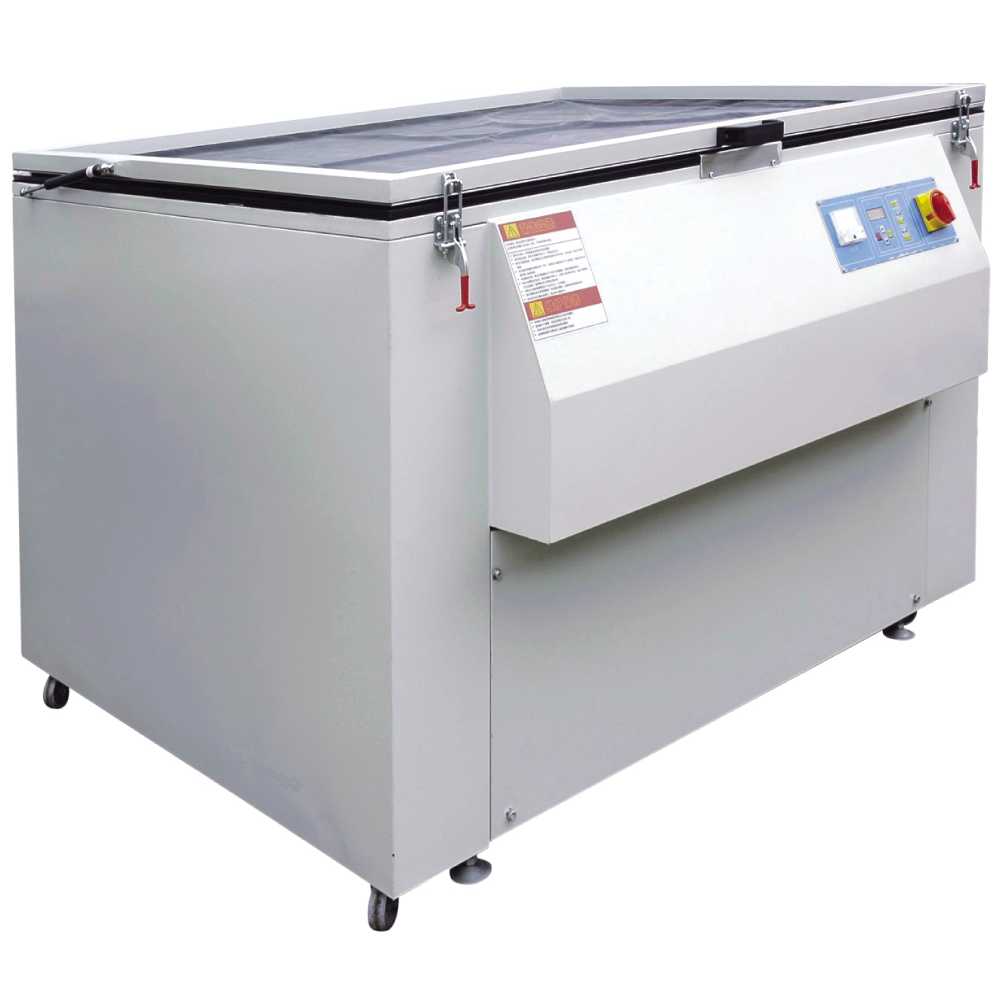
E8010/E1013 screen printing exposure units
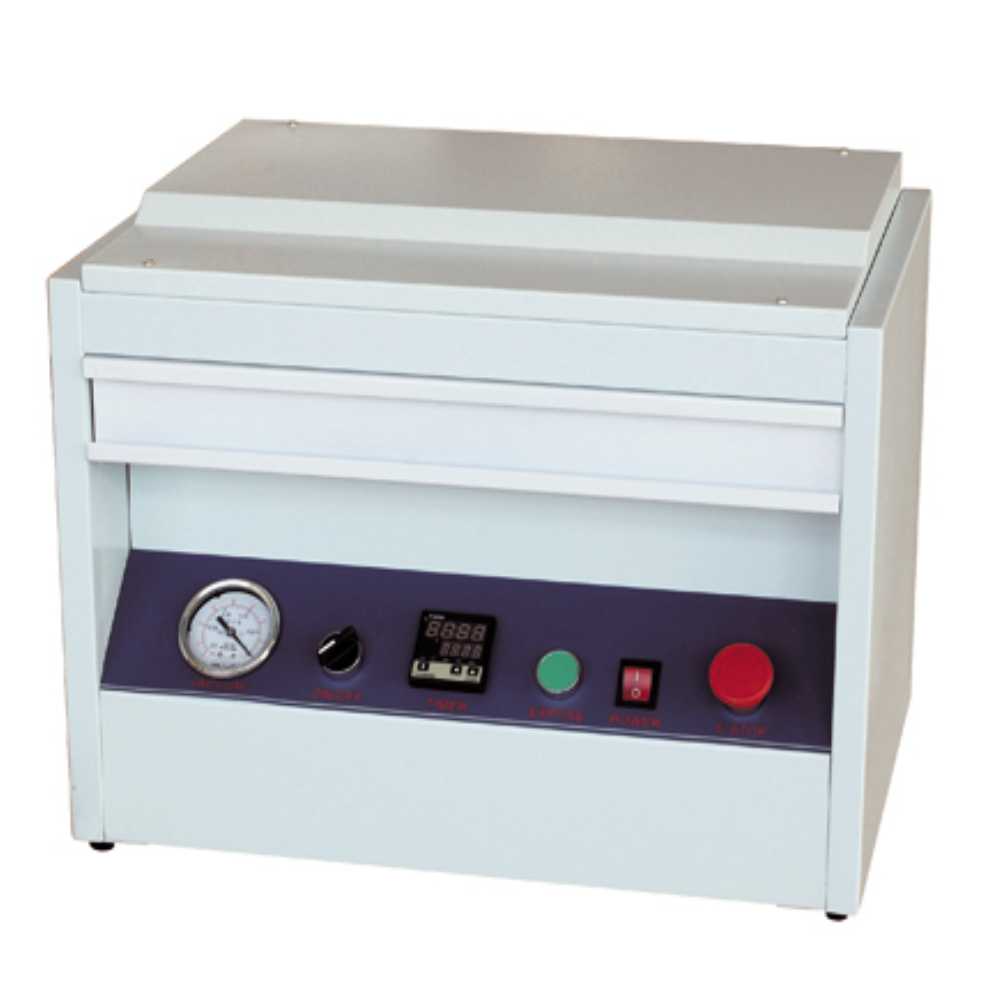
E345D pad printing exposure unit
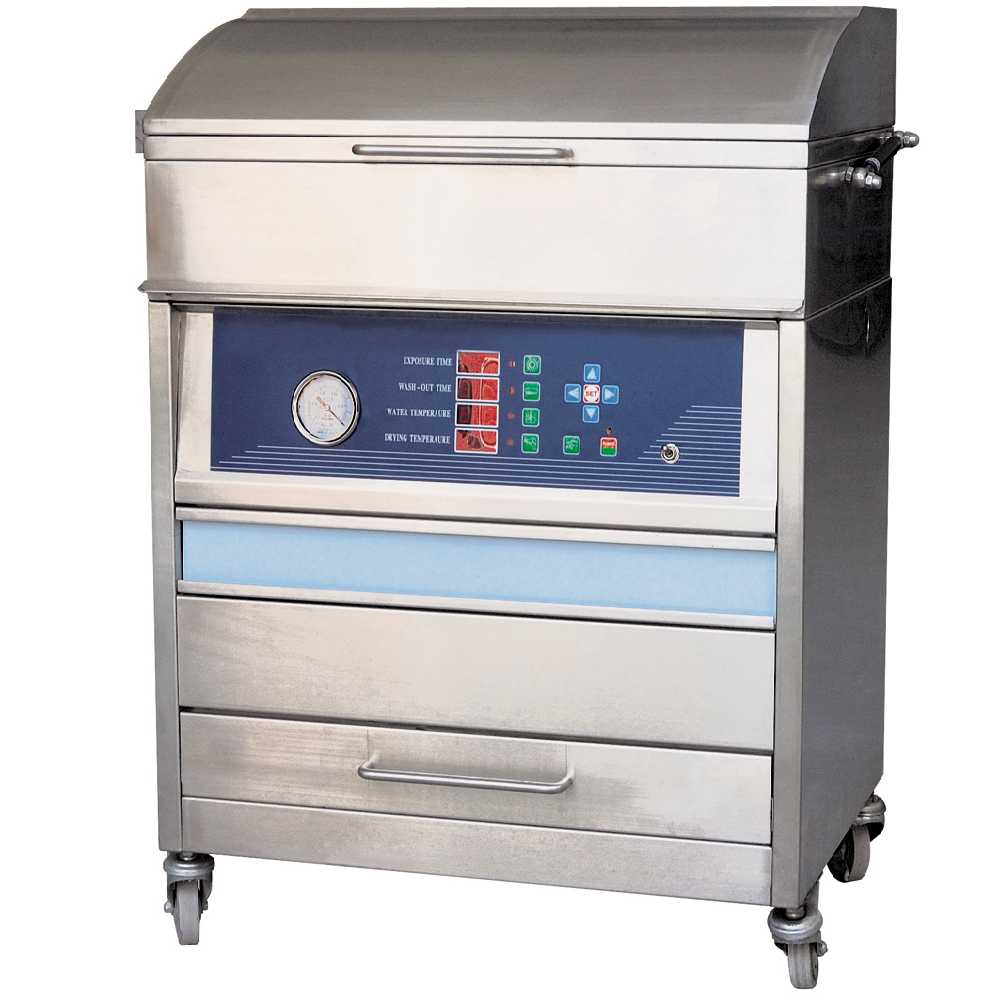
3-in-1 exposure units for polymer plates
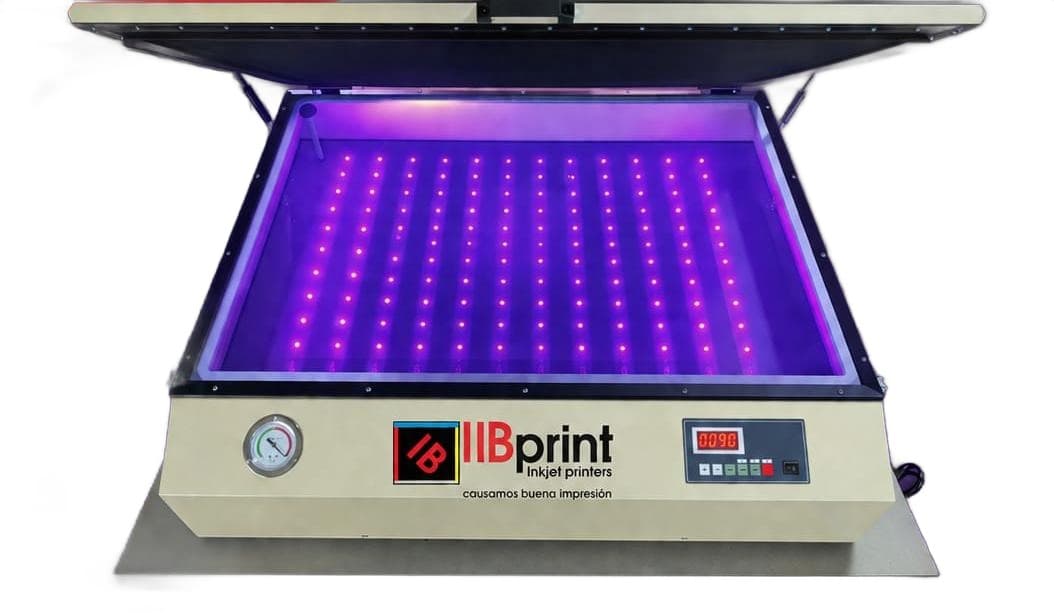
UV LED exposure unit for screen printing
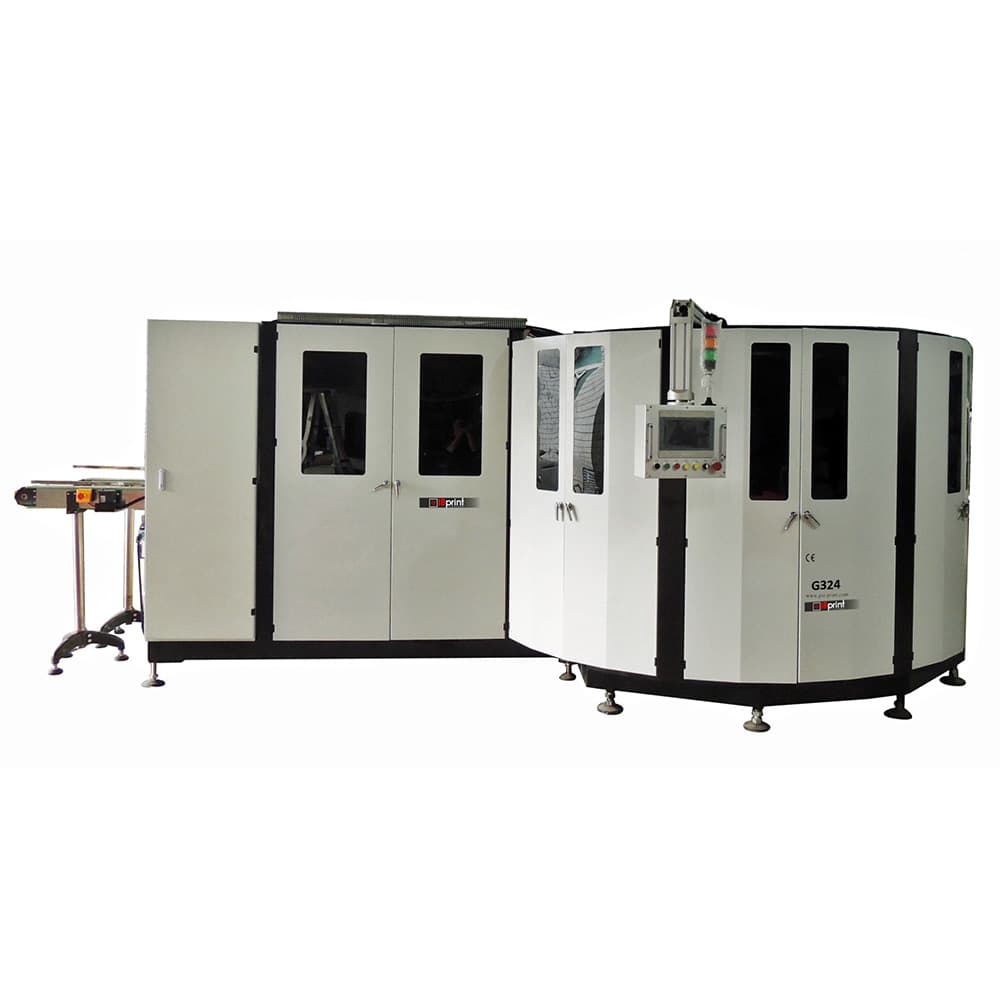
G323-8 screen printing machine for 3 to 8 colours
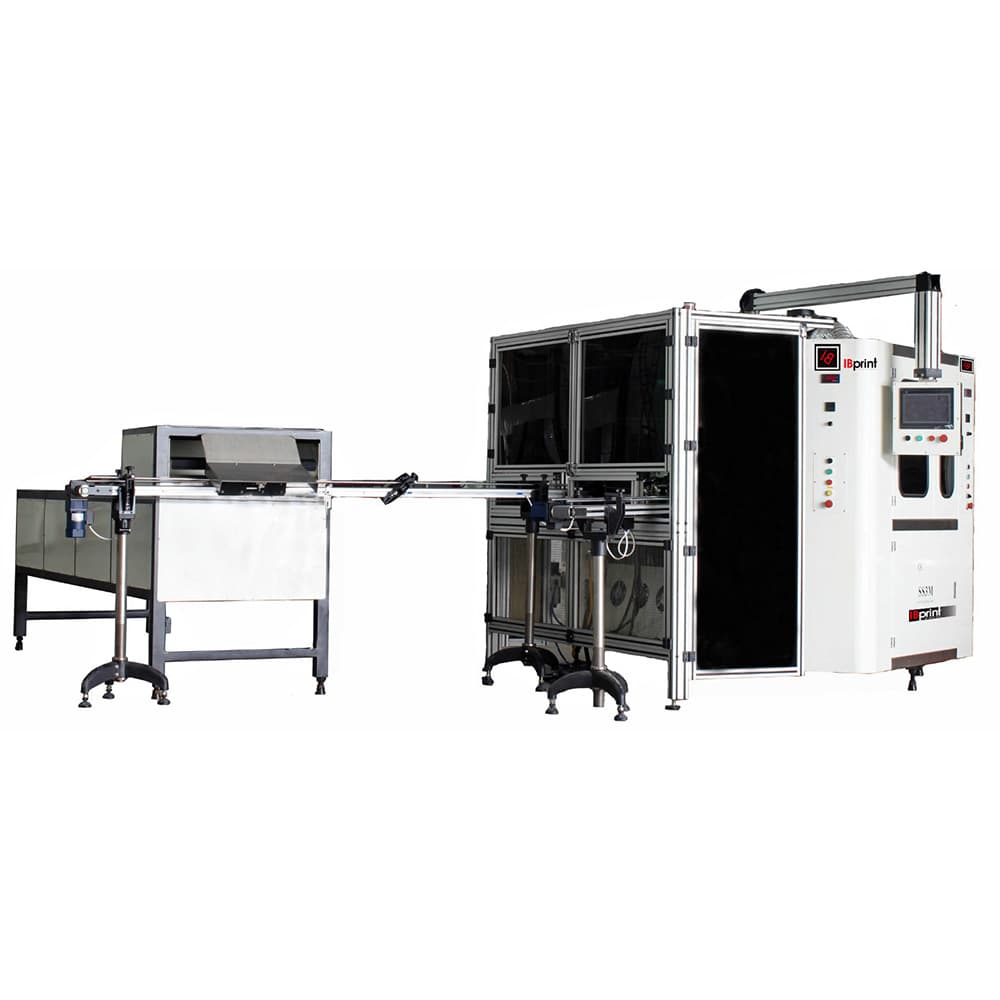
SS2-6M full servo automatic screen printing machine
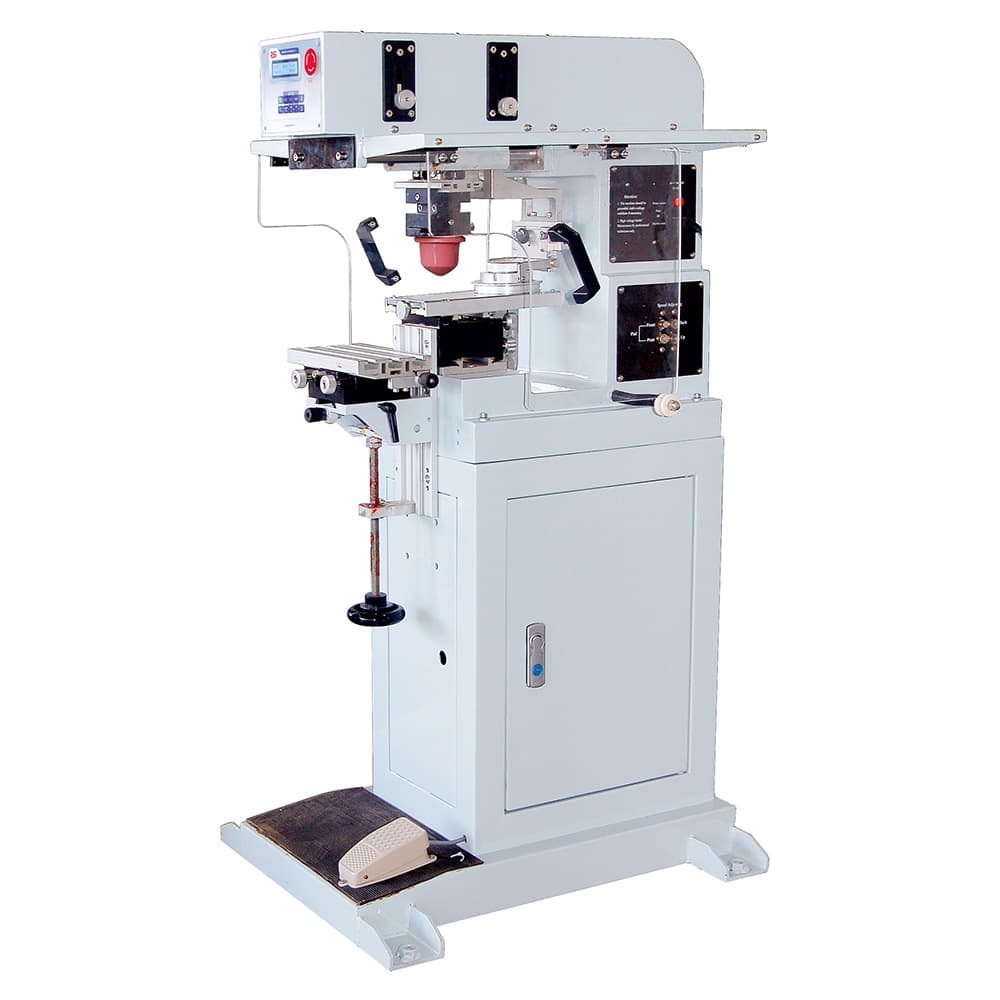
200-140 – 1-colour pad printing machine
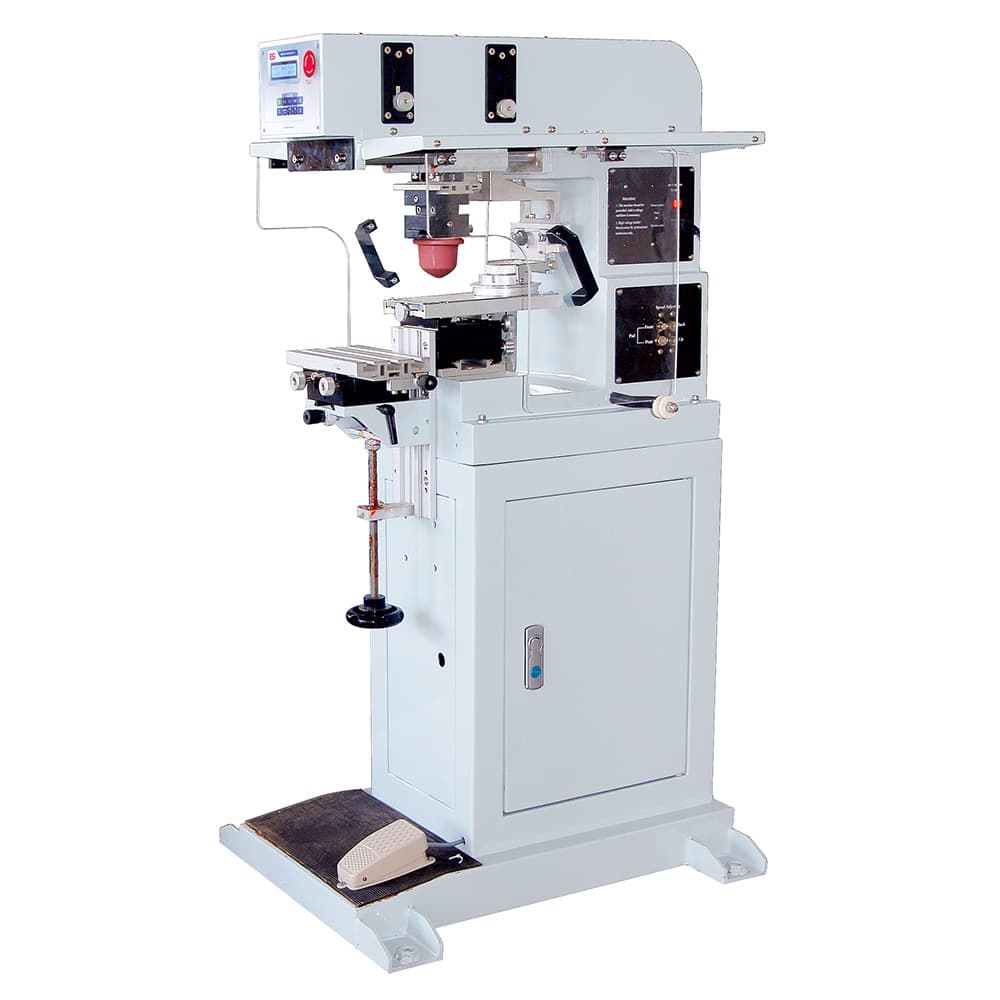
125-120 – Pad printing machine, 120 mm diameter
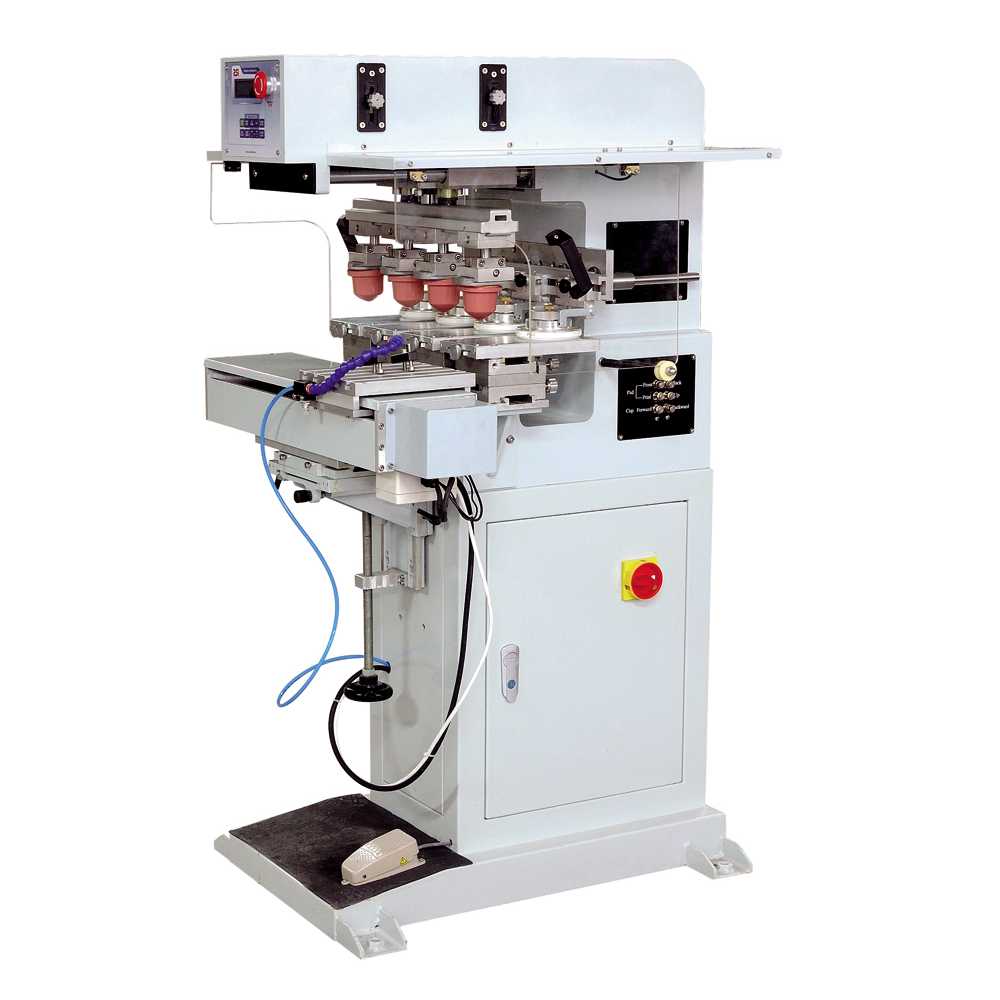
175-90S4 – Four-colour pad printing machine with shuttle
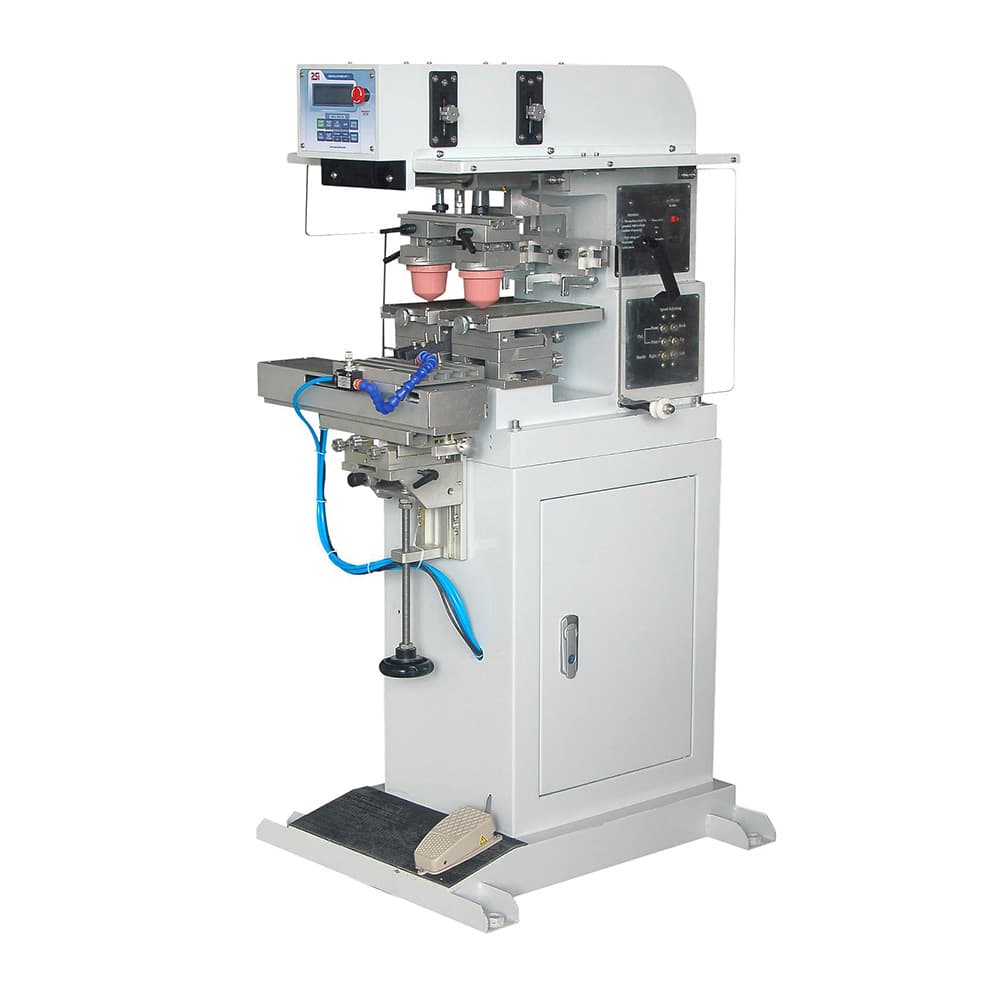
175-90S2 – Two-colour pad printing machine with shuttle
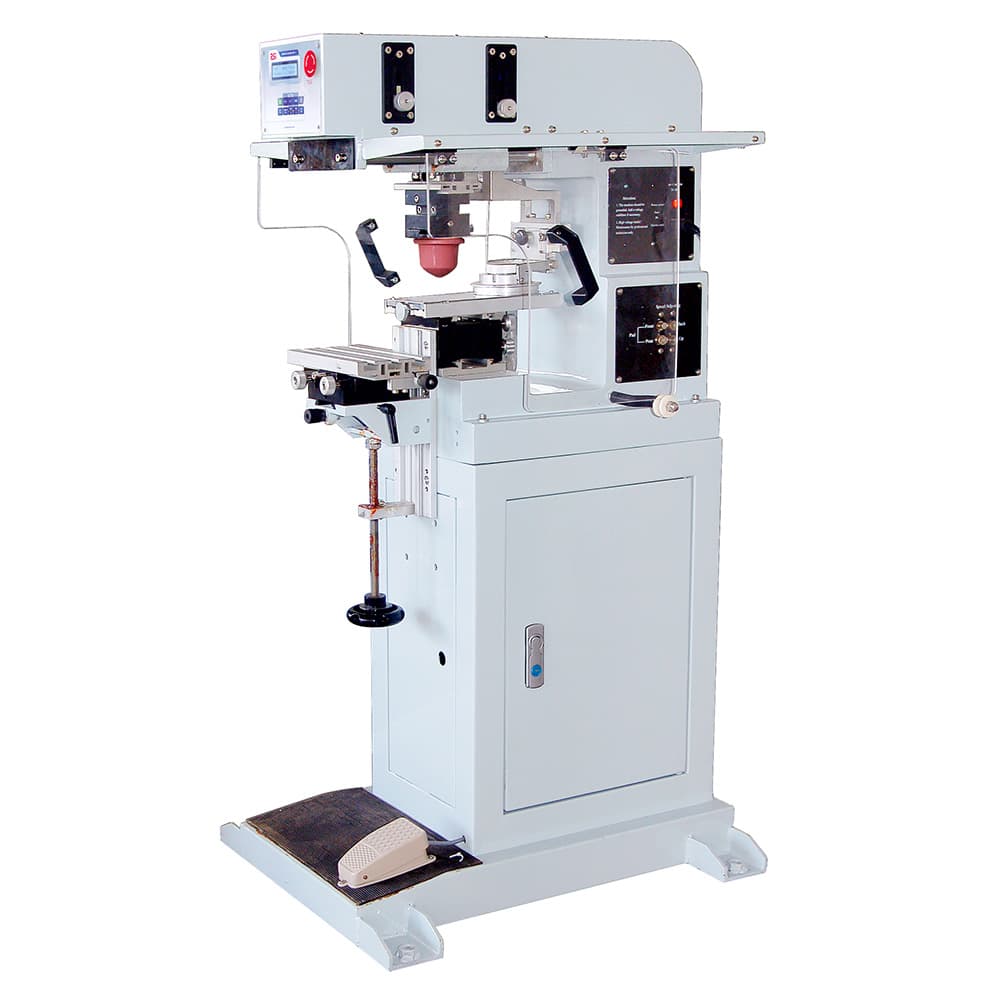
175-90 – 1-colour pad printing machine
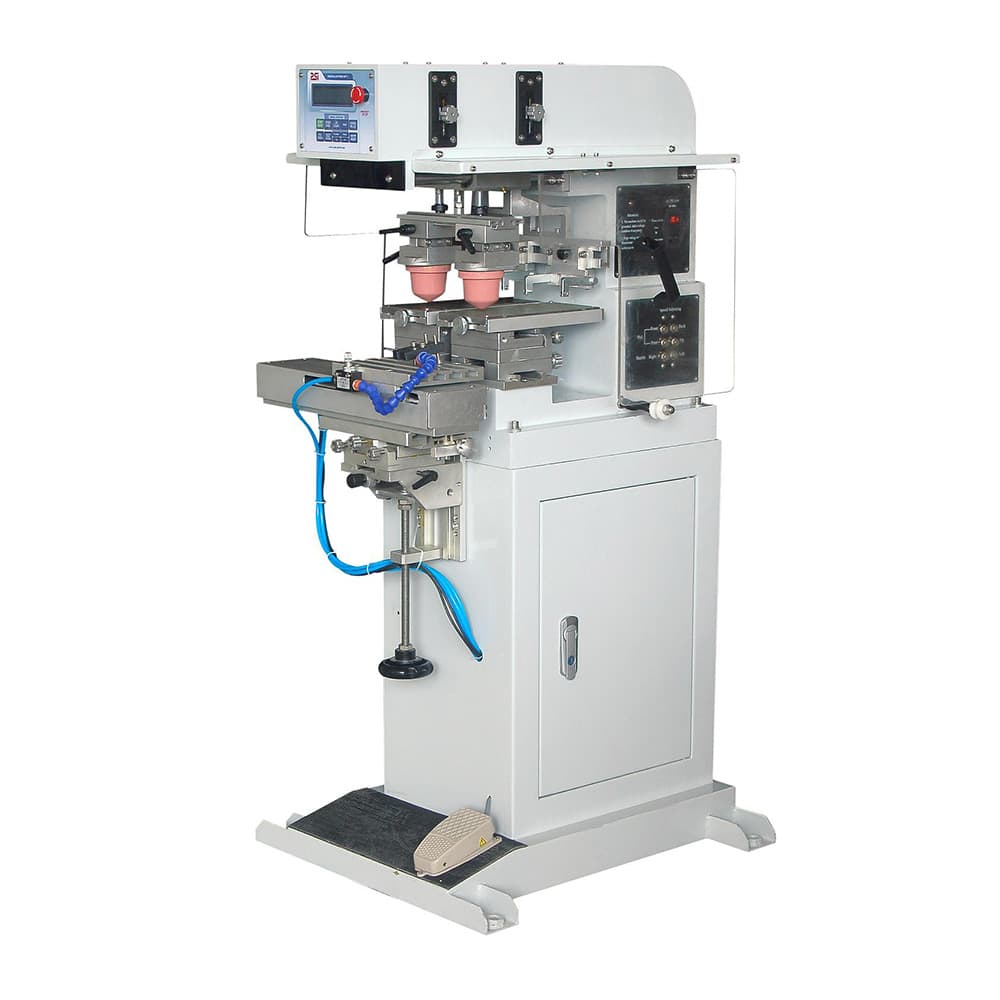
125-90S2 – Two-colour pad printing machine with shuttle
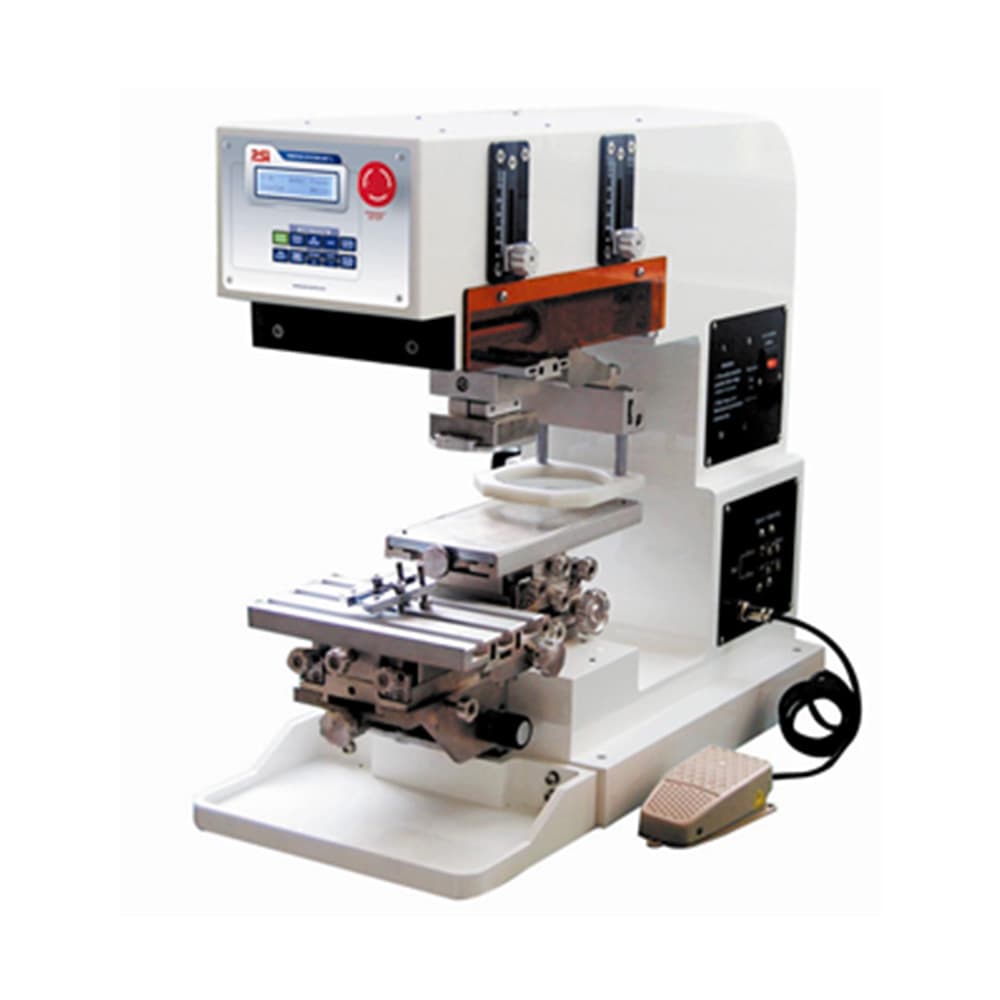
125-90D – 1-colour pad printing machine
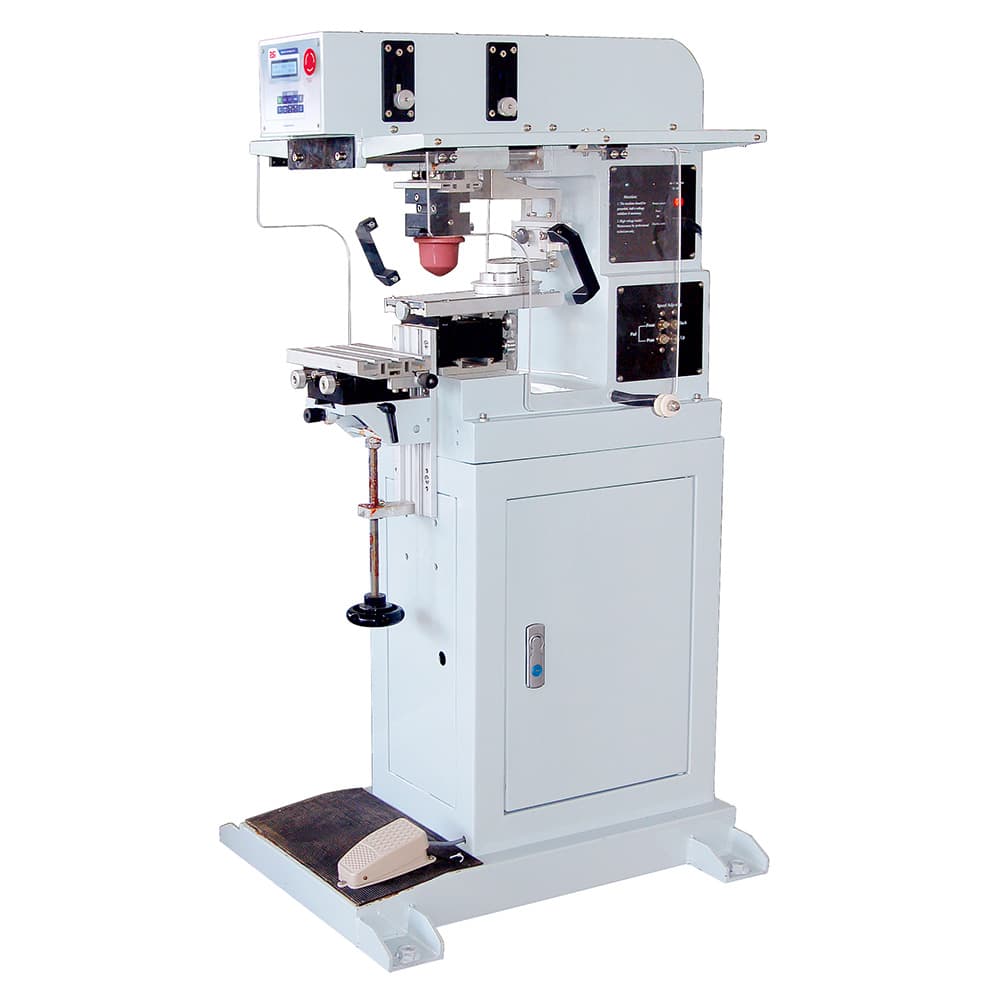
125-90 – 1-colour pad printing machine
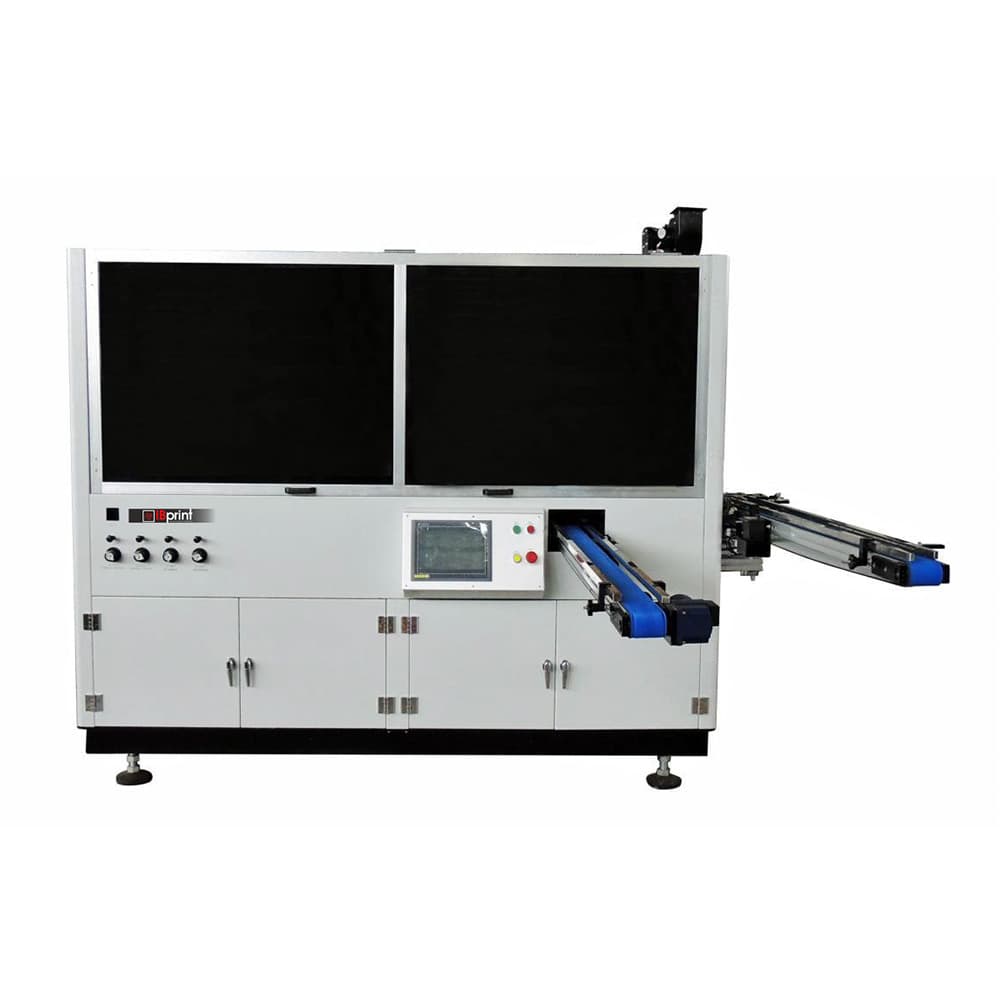
US300S4 – 4-colour automatic screen printing machine (CNC)
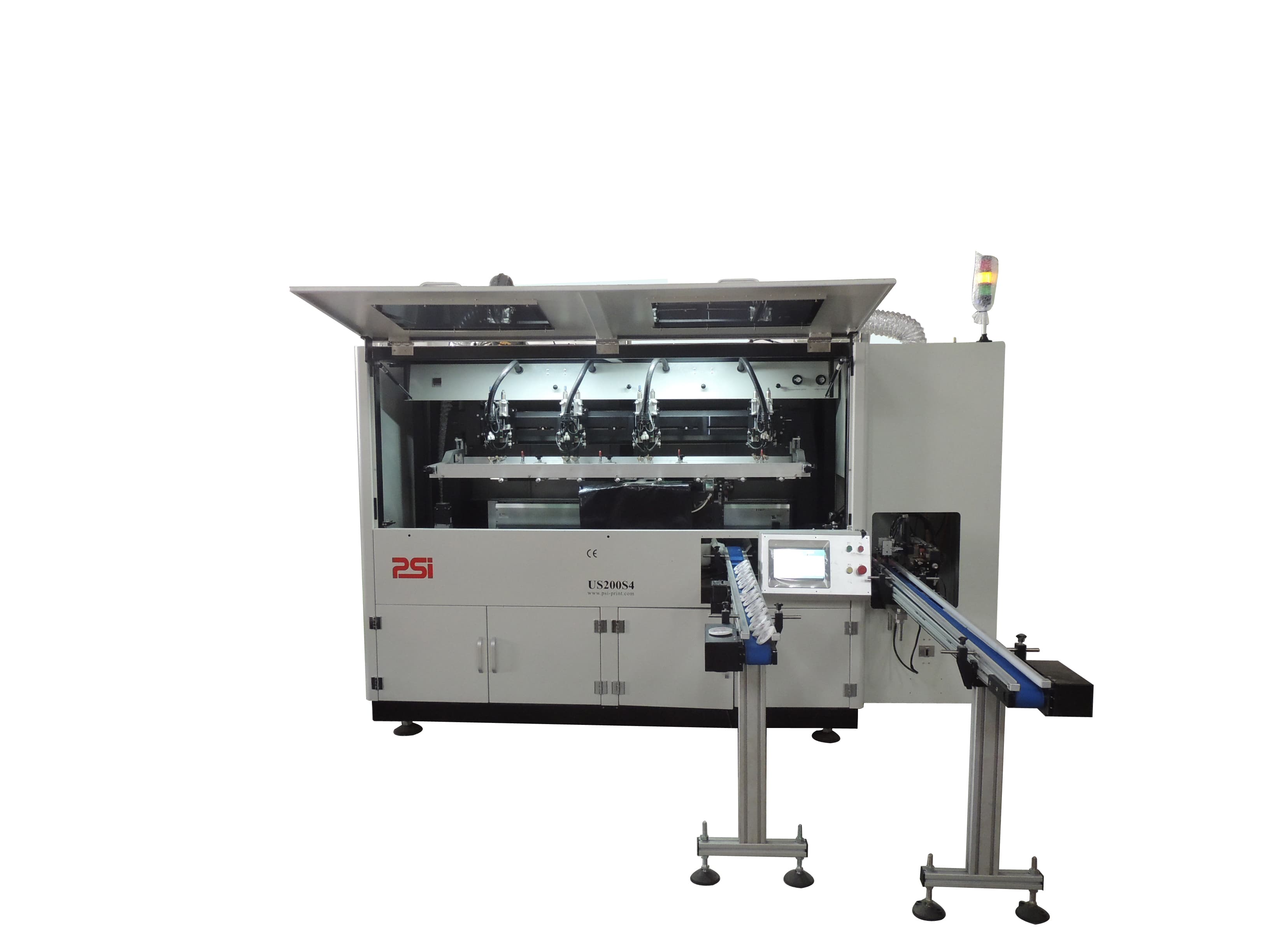
US200S4 – Universal 4-colour automatic screen printing machine
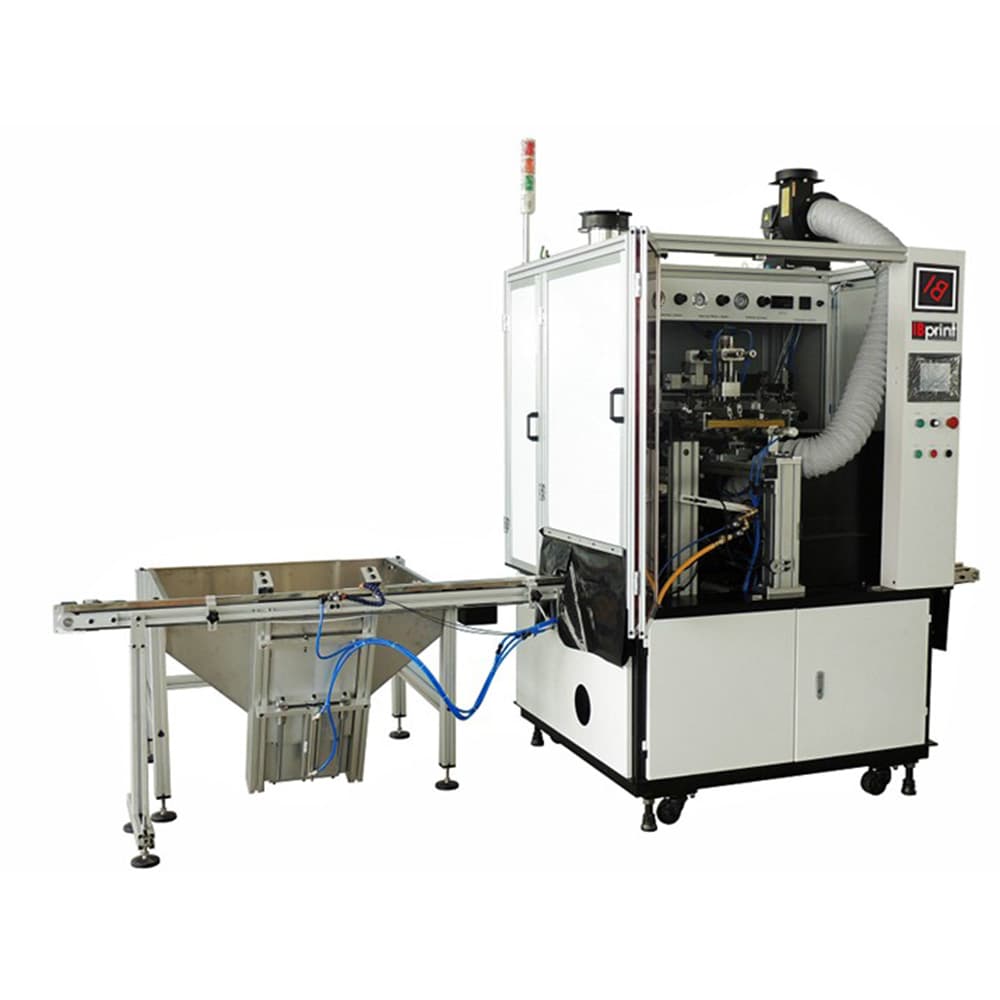
SS103 – Servo automatic cylindrical screen printing machine
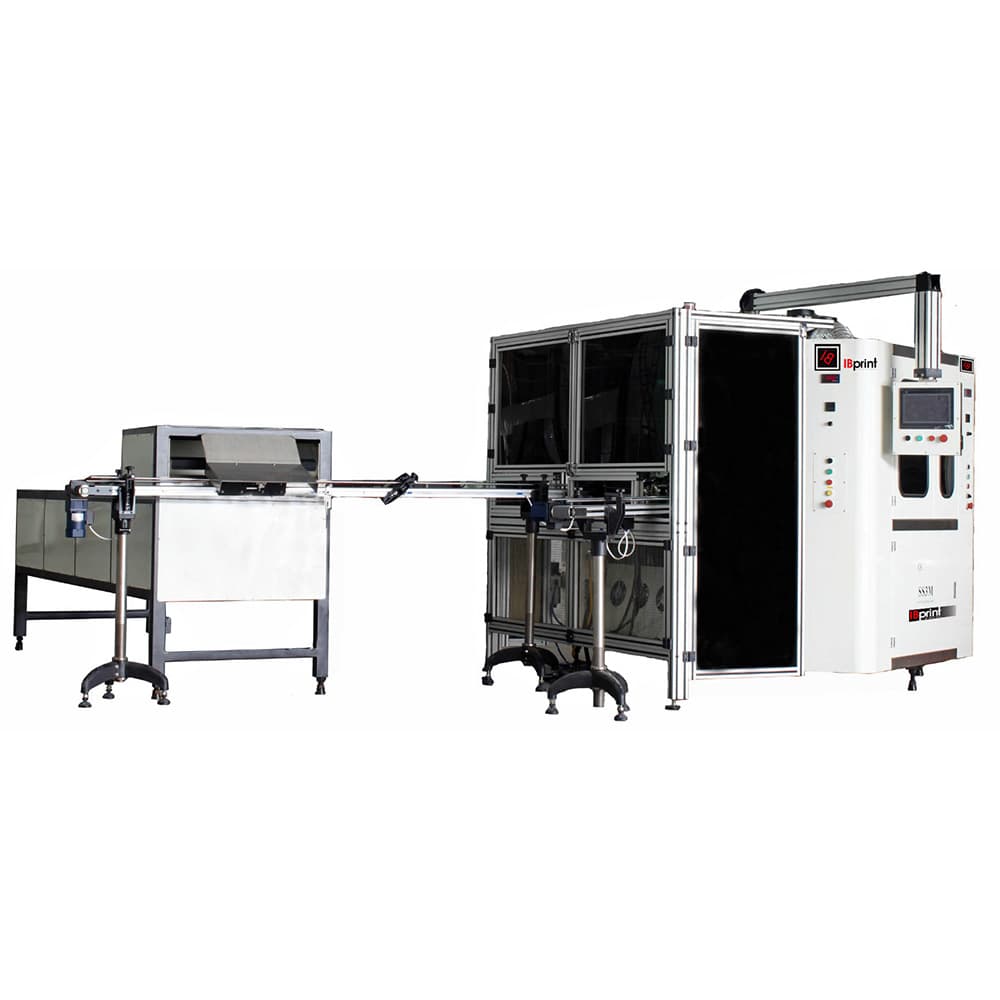
SS3M – Full servo automatic screen printing machine
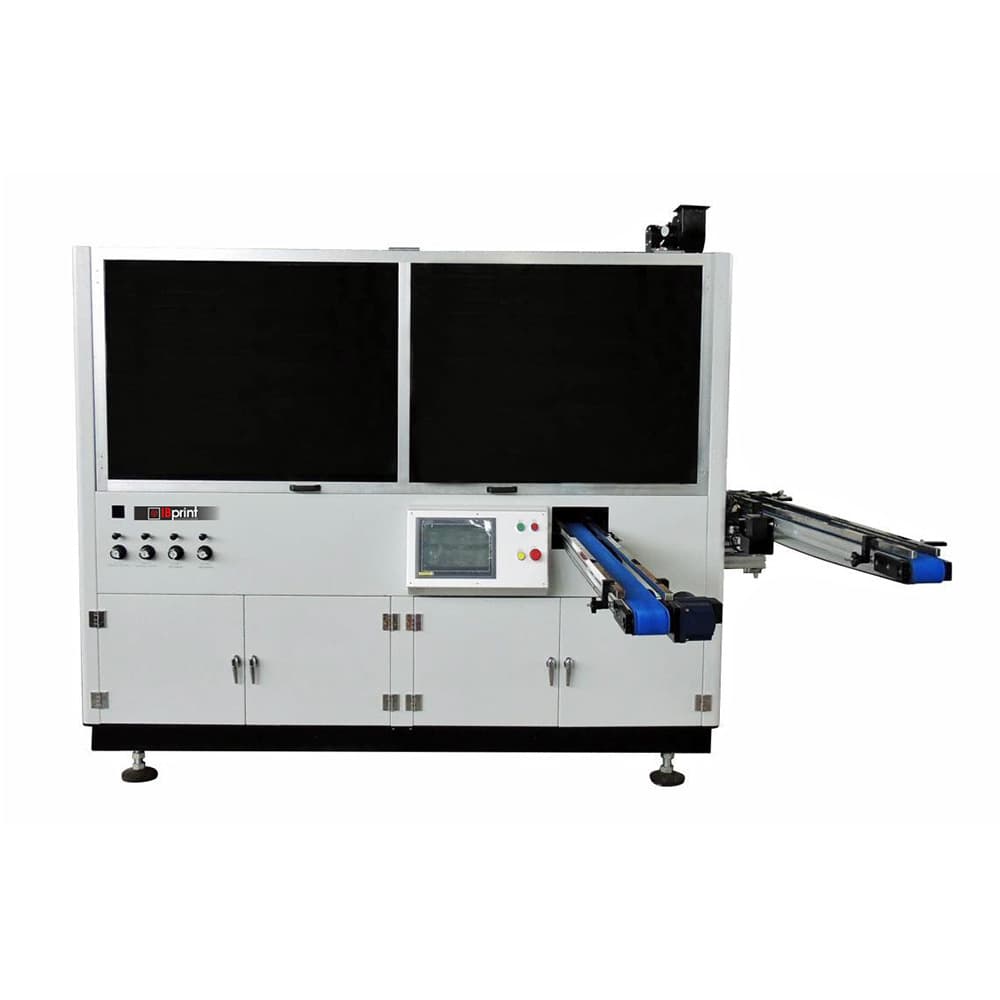
S300S4 – 4-colour automatic screen printing machine
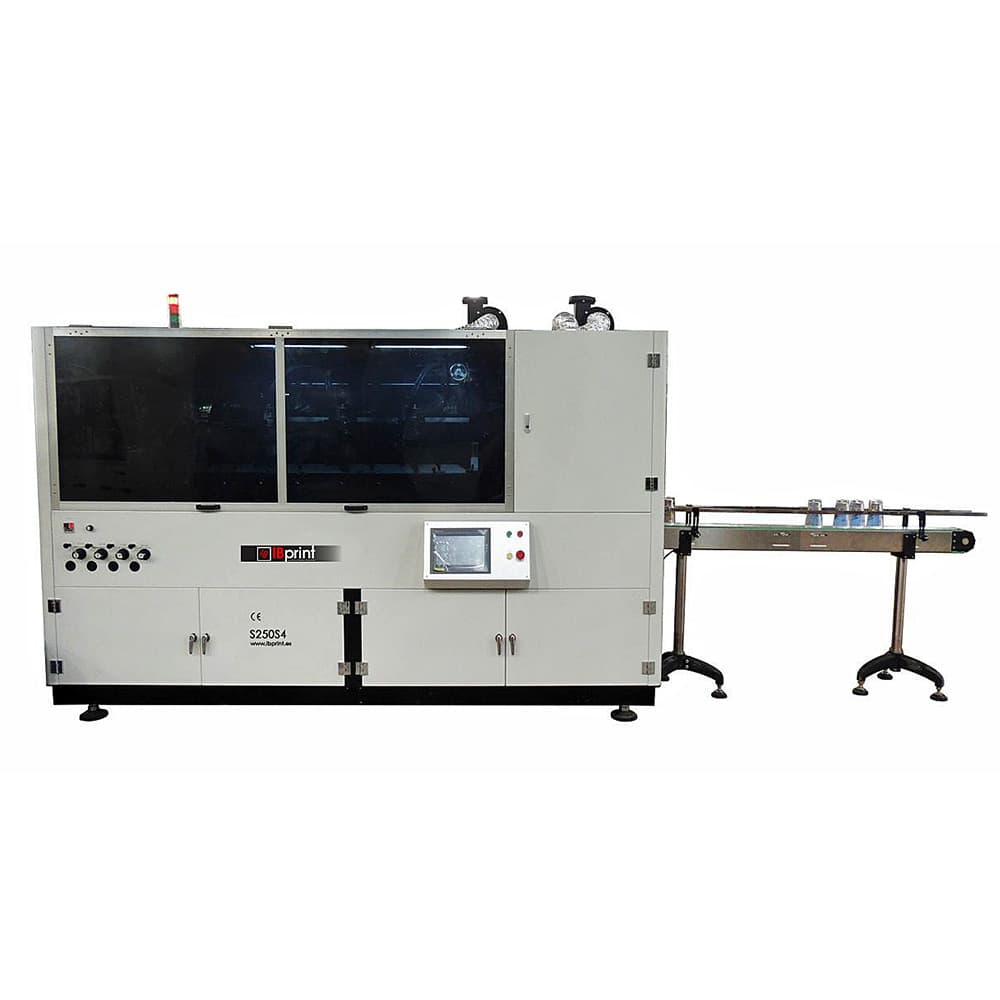
S250S4 – 4-colour automatic screen printing machine
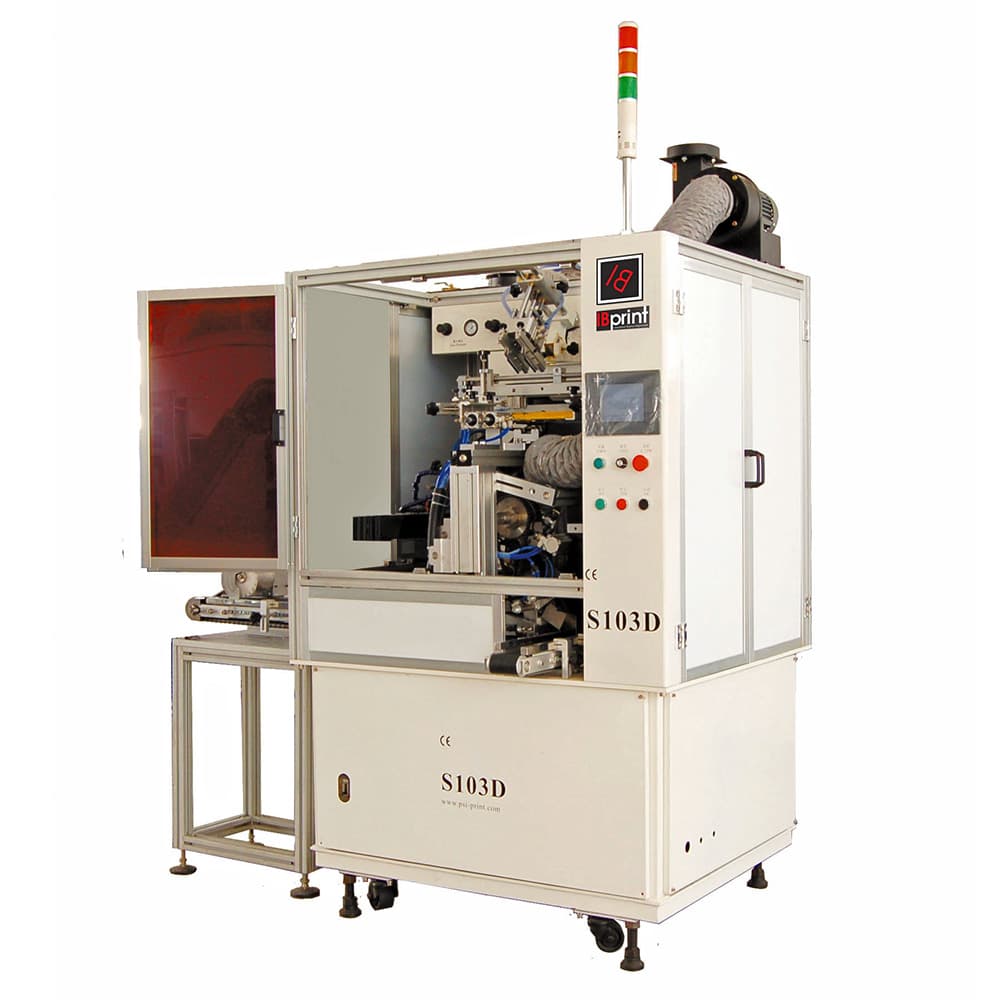
S103D – High-speed single-colour screen printing machine
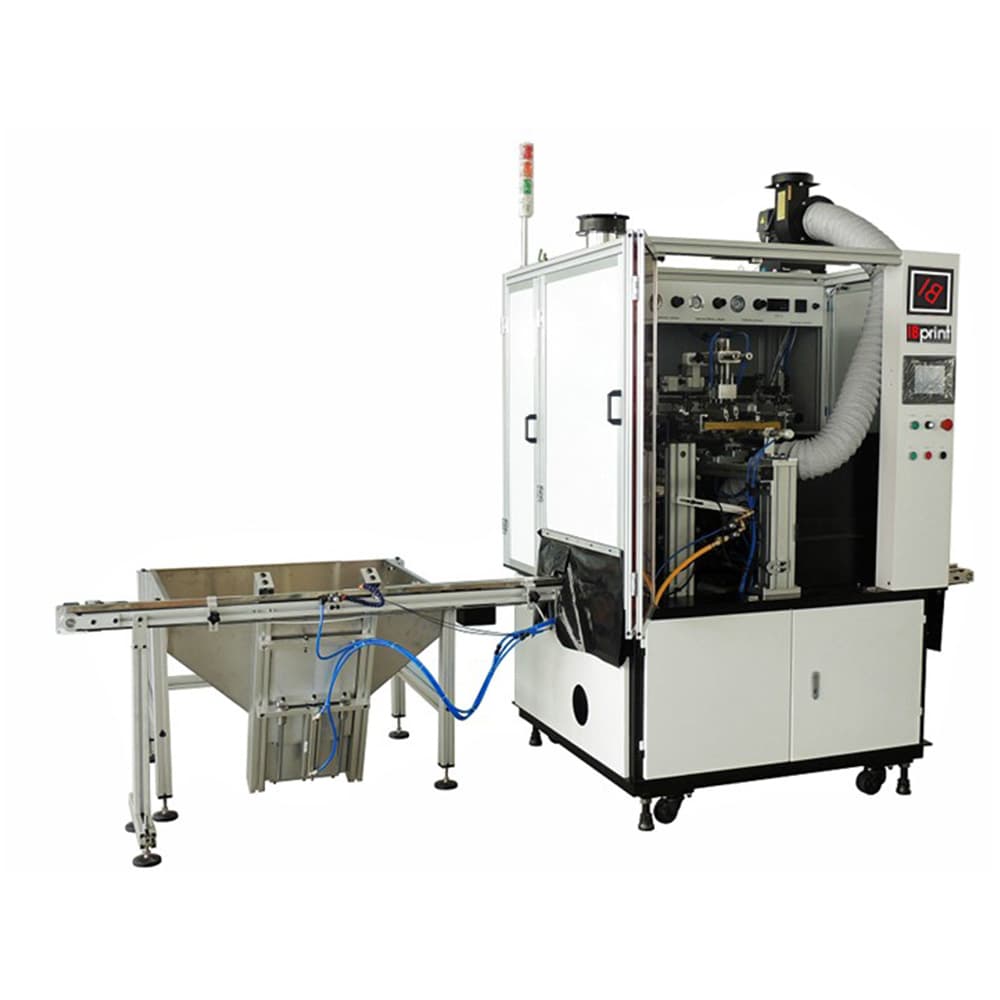
S103 – Automatic cylindrical screen printing machine
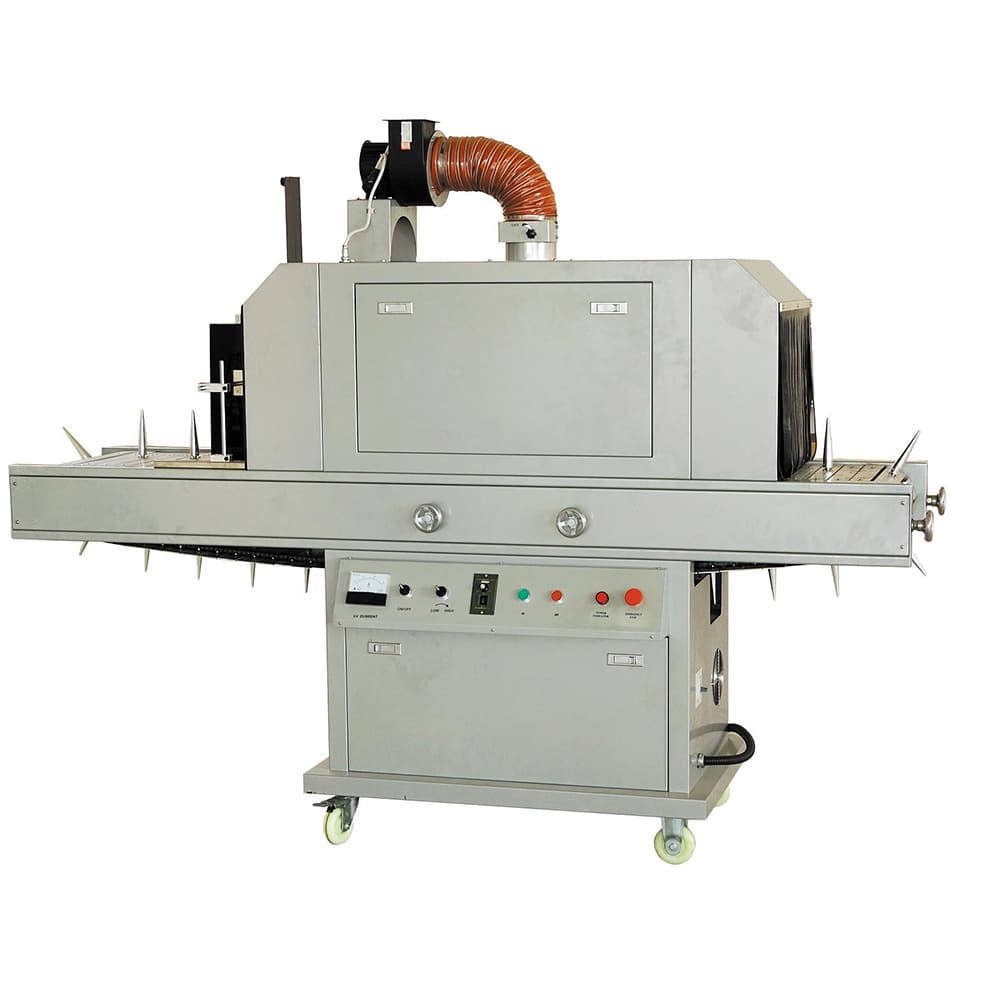
UV400MRF flat/cylindrical/oval UV dryer
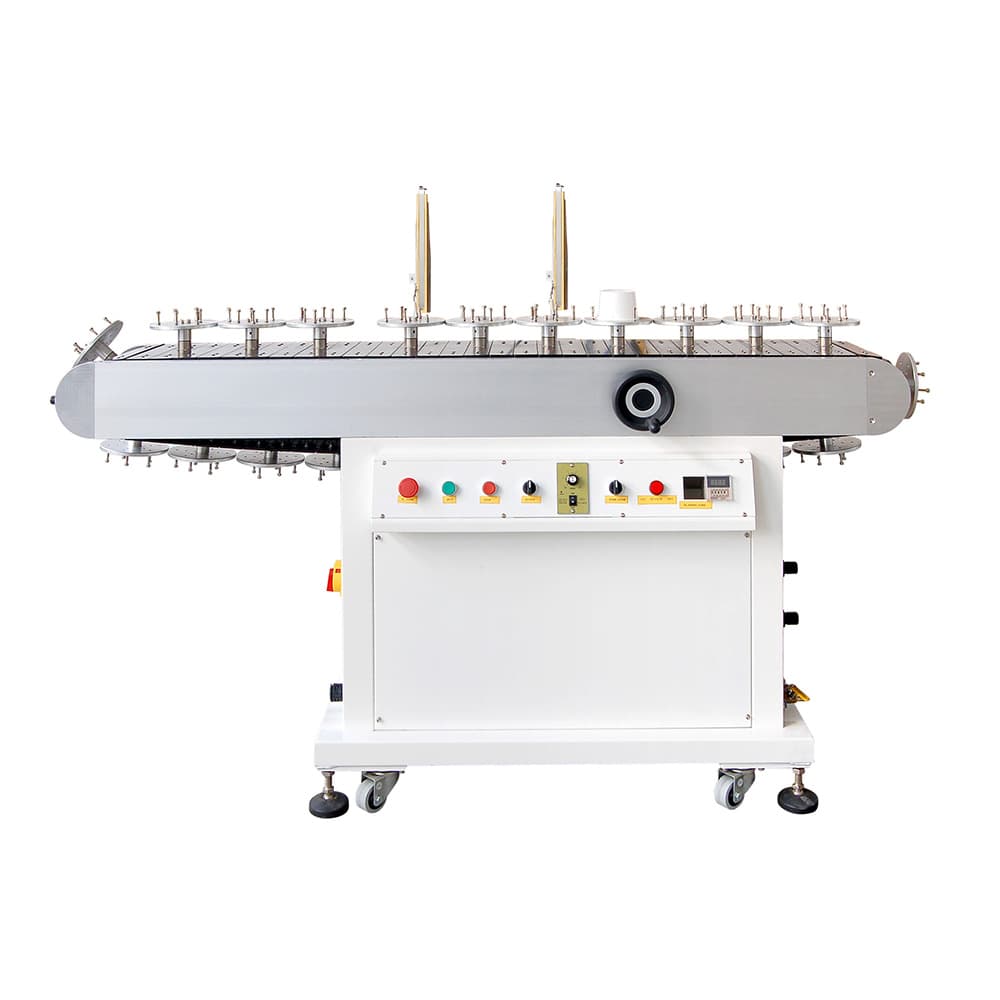
F300 flame treatment machine
Technical guide
How to choose a machine for decorating parts
Before looking at models it is worth pinning down three facts: the geometry of the part, the number of colours and the throughput required. With those three, the range narrows itself.
Geometry decides the process
If the surface is flat or regularly cylindrical and the design covers a wide area, the process is screen printing. If the part is small, three-dimensional or irregular in shape, or the design has a lot of fine detail, it is pad printing. Some parts allow both, and then the rest decides: screen printing lays down more ink and gives more opacity; pad printing handles detail and relief better.
Volume decides the degree of automation
Manual for prototypes and very short runs. Semi-automatic when consistency is needed on medium runs with frequent job changes: the operator loads and unloads, and the machine keeps pressure, angle and speed fixed. Automatic when runs are long and changes few, and a more laborious set-up pays off in exchange for repeatability and less labour per part.
Colours multiply the equipment
Each colour adds its own cliché or its own screen, its ink cup and its station, and means intermediate drying has to be solved. Going from one to four colours is not four times the machine, but it does change the size, the set-up and the space required. It is best to size for actual jobs, not for the extreme case that comes up once a year.
When preparing a screen or cliché does not pay off
For short runs, part-by-part personalisation or full-colour designs with gradients, UV or DTF digital printing prints straight from the file, with no screen, no cliché and no fixed cost per design. What it loses is cost per part on long runs of the same design, where screen printing and pad printing remain more cost-effective. Many workshops combine both worlds.
When the catalogue does not fit
Some parts and processes do not fit a standard machine. IBPRINT has its own engineering and automation department and machining workshop in Igualada, so it designs and builds specific automation (feeding, fixtures, robotics, linked lines) as well as selling catalogue equipment.
Frequently asked questions
About machinery
Which machine do I need, screen printing or pad printing?
The geometry of the part almost always decides. A flat or regularly cylindrical surface and wide areas of colour call for screen printing; small, three-dimensional or irregular parts and fine detail call for pad printing. IBPRINT builds and sells both processes, so the recommendation does not depend on which machine has to be placed.
Manual, semi-automatic or automatic?
It is a decision about volume and repeatability, not budget. A semi-automatic machine keeps pressure and stroke speed constant with an operator loading parts, and covers medium runs with frequent job changes well. An automatic machine pays off with long runs and few changes, where it recovers a more laborious set-up in exchange for repeatability and less labour per part.
What types of screen printing machine are there?
By part shape, flatbed (with a vacuum table for sheets and flat parts) and cylindrical or oval (for bottles, cups, tubes and containers). By degree of automation, manual; semi-automatic, where the operator loads and unloads and the machine sets the pressure and speed; and automatic, with feeding, registration and drying between colours linked together. IBPRINT has flatbed, cylindrical and vacuum semi-automatic machines, and full-servo and CNC automatic lines of up to 8 colours.
How much does a screen printing or pad printing machine cost?
IBPRINT does not publish prices: each machine is offered on quotation, because the cost is set by the number of colours, the format or stroke, the degree of automation (semi-automatic, automatic, servo) and peripherals such as drying or part feeding. To guide a quotation, it is enough to state the part, the material, the print size and the production required.
Do you build custom equipment?
Yes. With its own engineering and automation department and machining workshop in Igualada, IBPRINT designs and builds specific automation when the part or the process does not fit a catalogue machine.
Do you provide technical service for the machines you sell?
Yes, and for the ones we do not sell too. The maintenance service is multi-brand and covers screen printing and pad printing equipment from any manufacturer, with spare parts and in-house machining when the part is no longer made. It also maintains UV and DTF digital printers.