
Automatic screen printing machines
Full-servo and CNC lines with up to 8 colours for high-volume production.
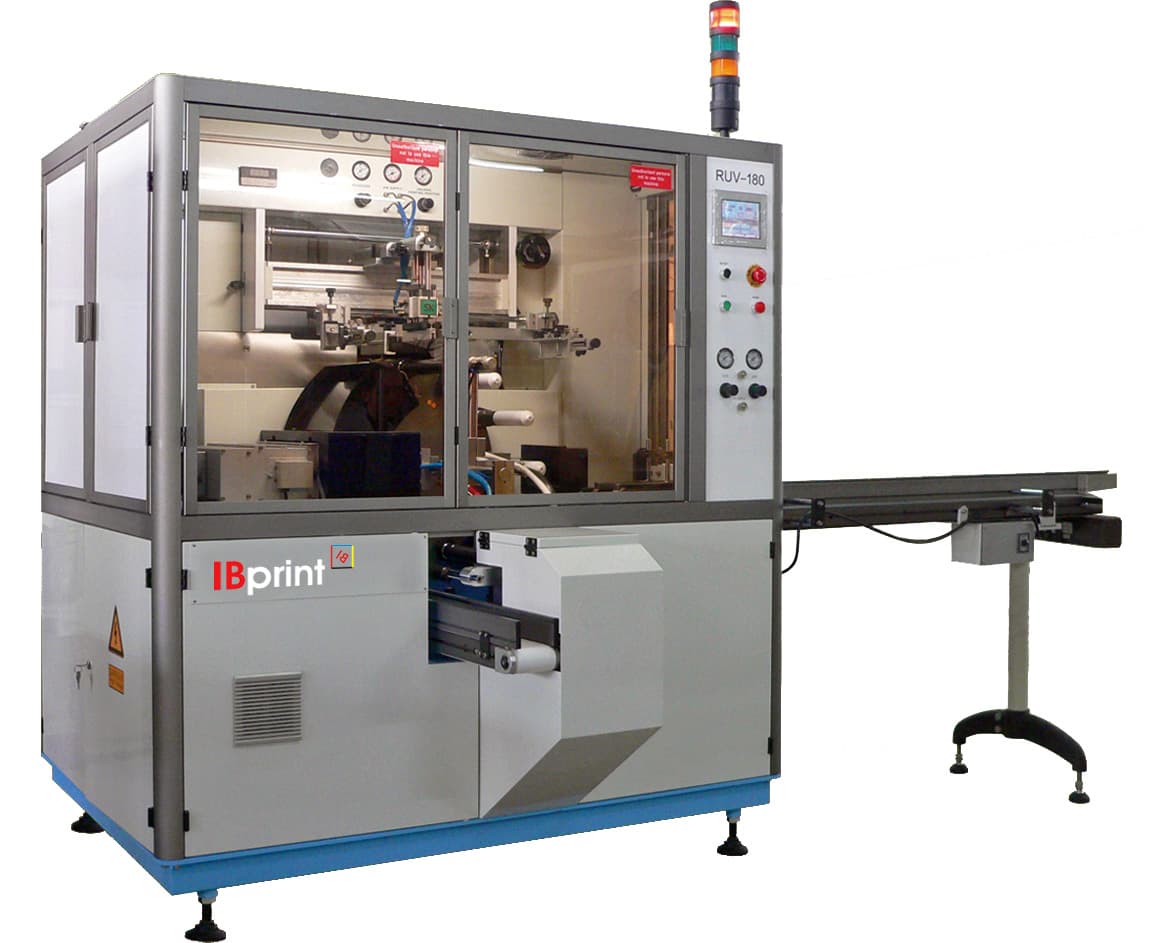
RUV-180 cylindrical screen printing machine
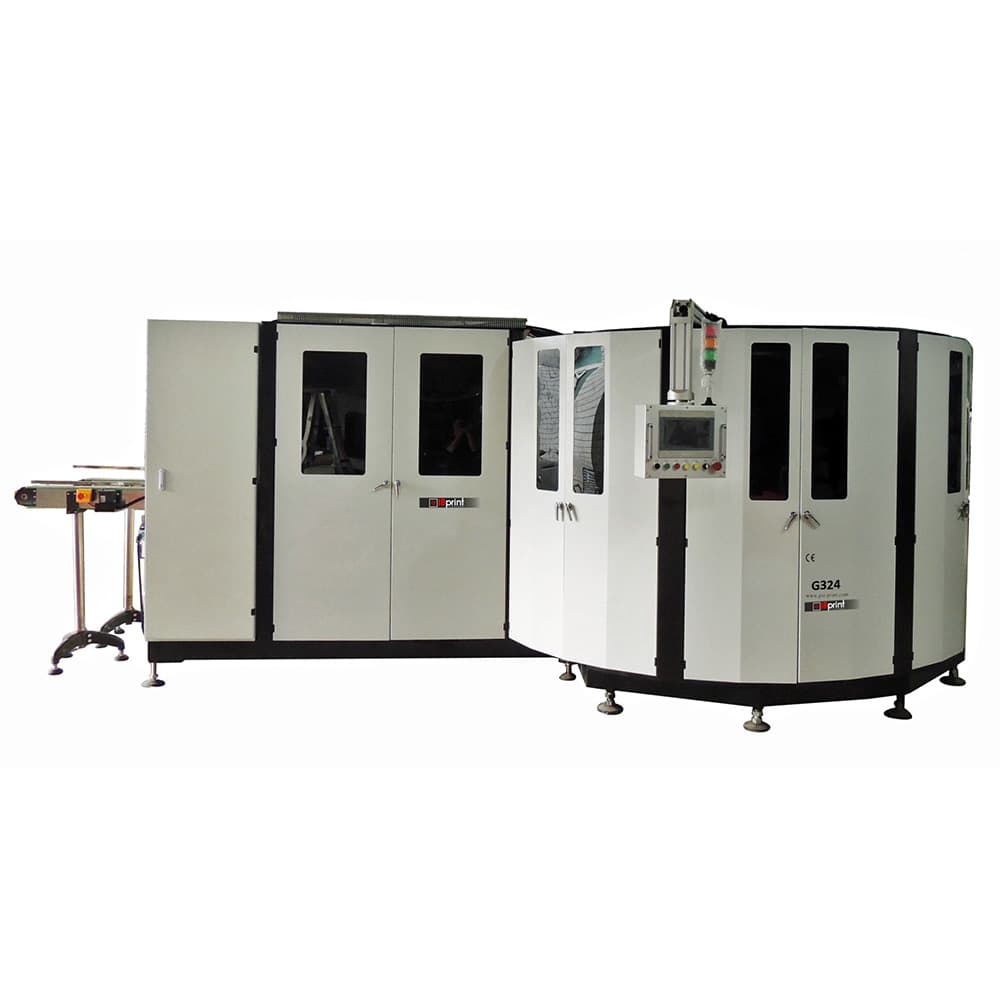
G323-8 screen printing machine for 3 to 8 colours
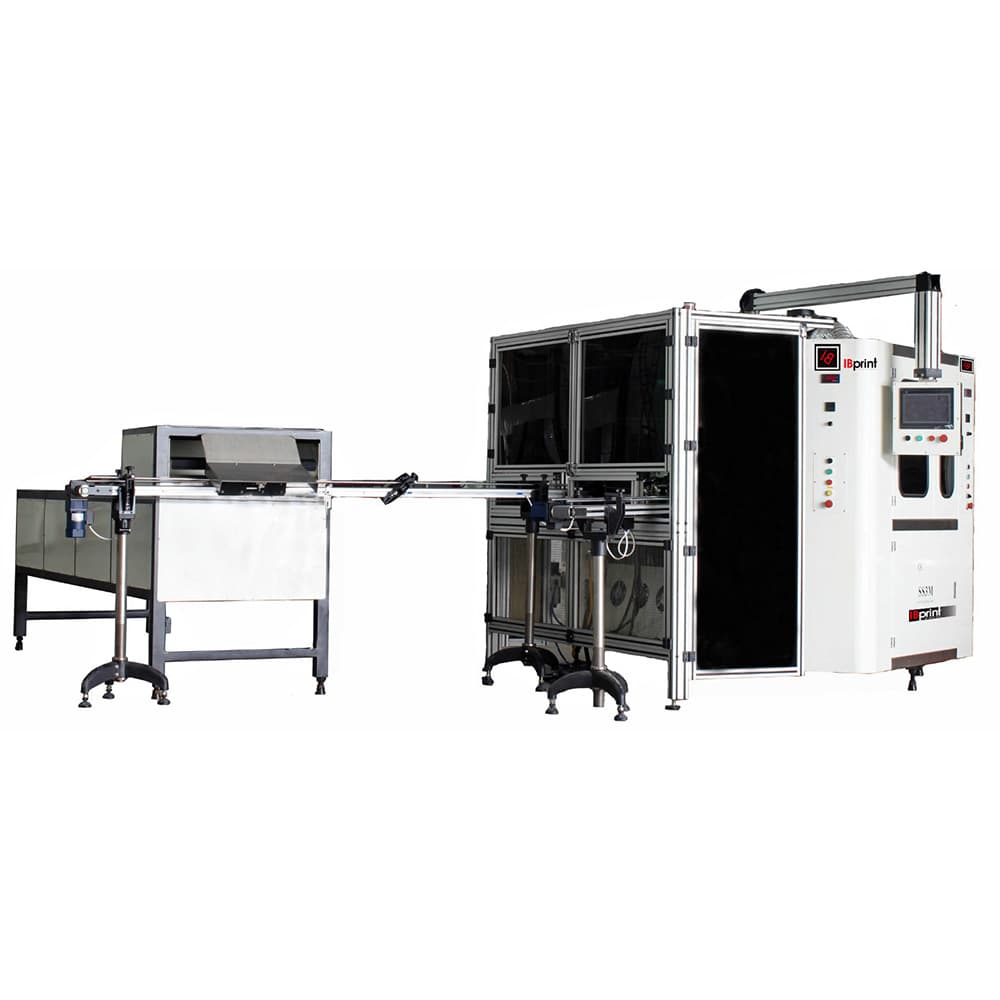
SS2-6M full servo automatic screen printing machine
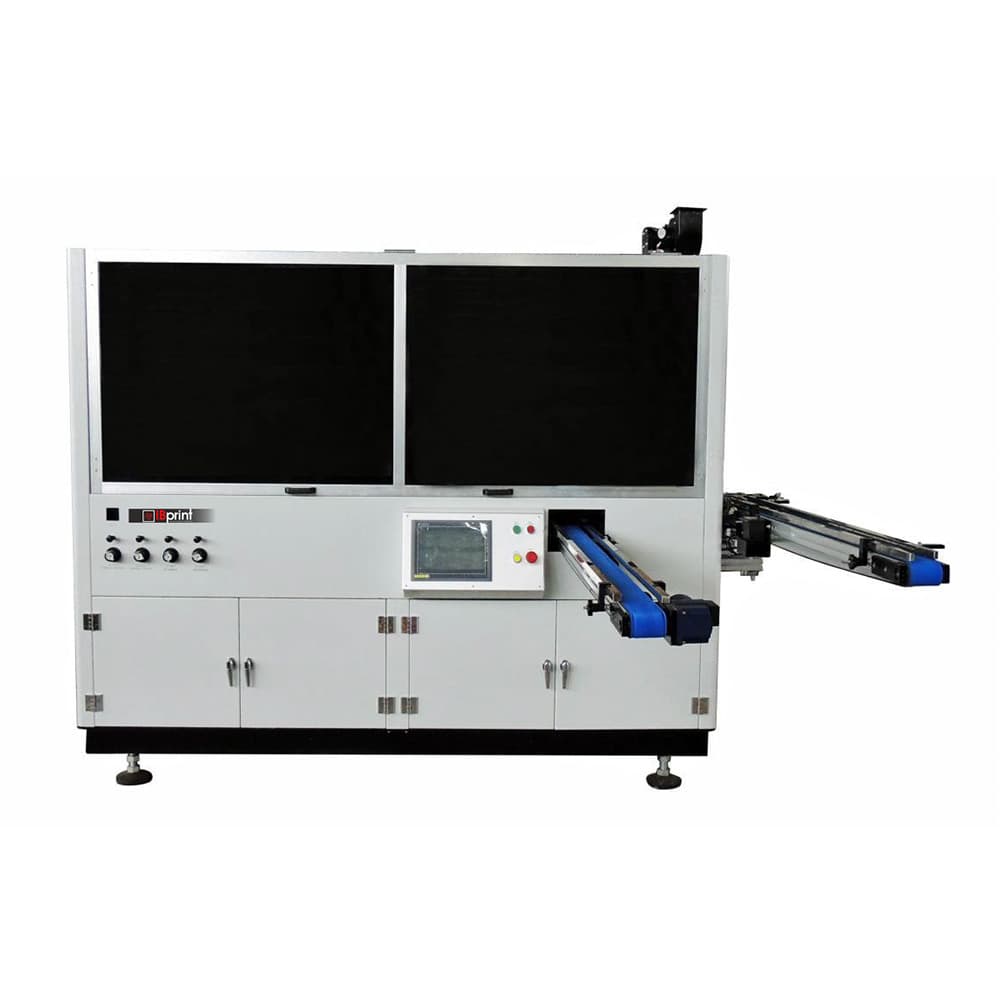
US300S4 – 4-colour automatic screen printing machine (CNC)
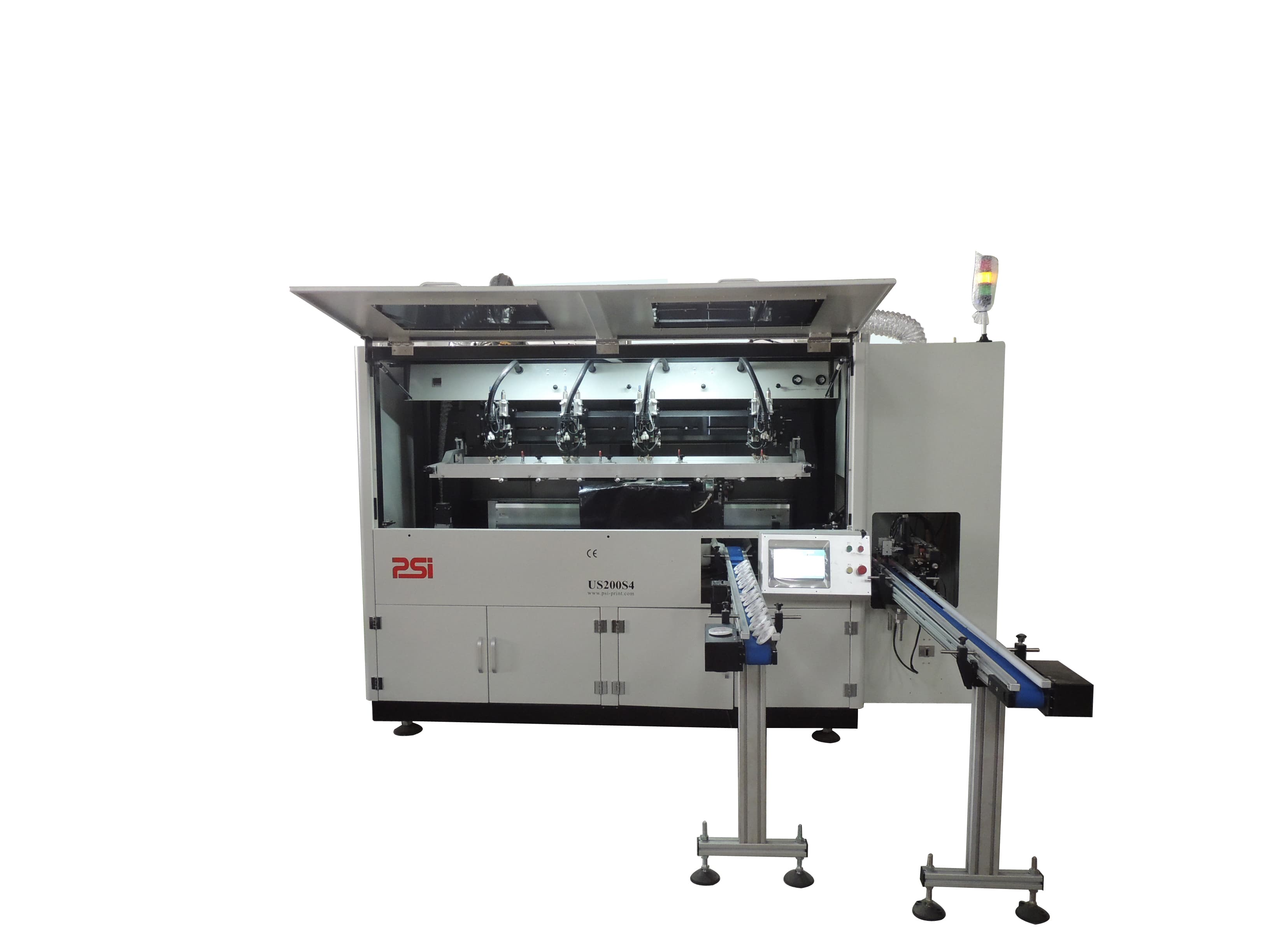
US200S4 – Universal 4-colour automatic screen printing machine
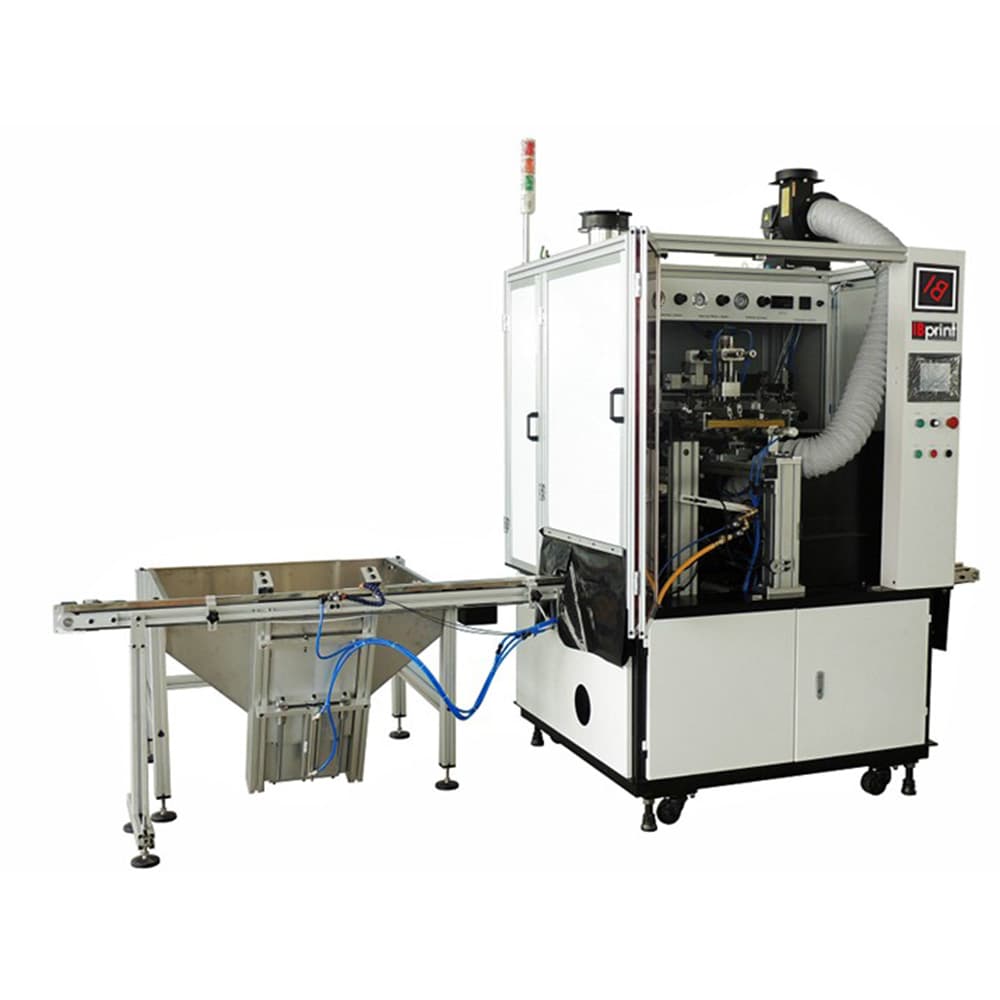
SS103 – Servo automatic cylindrical screen printing machine
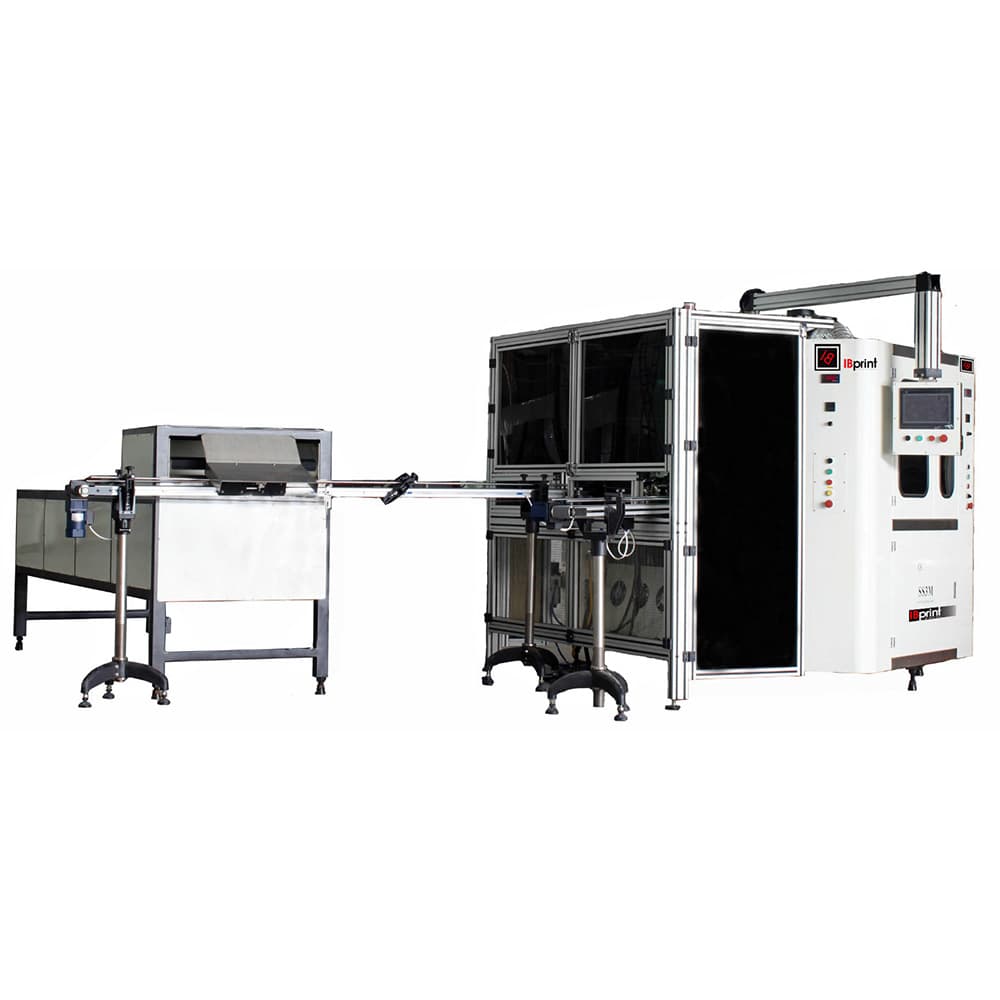
SS3M – Full servo automatic screen printing machine
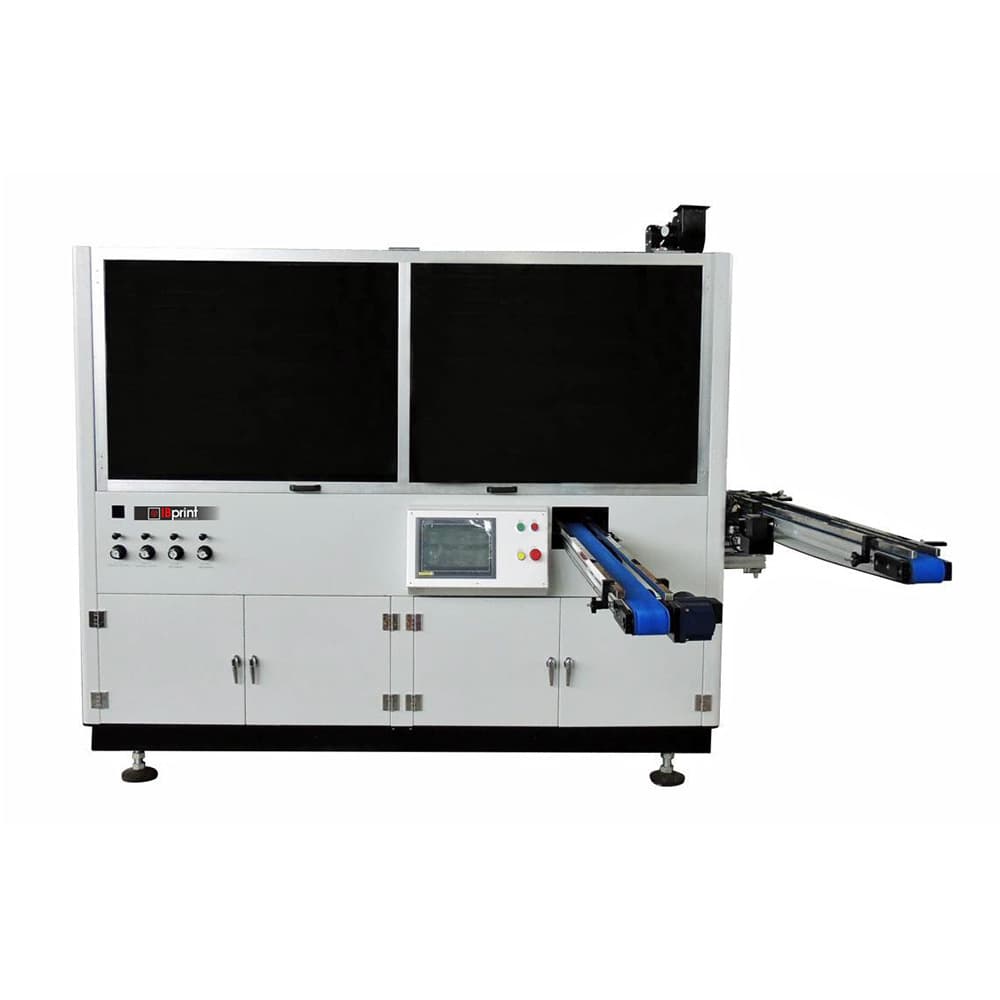
S300S4 – 4-colour automatic screen printing machine
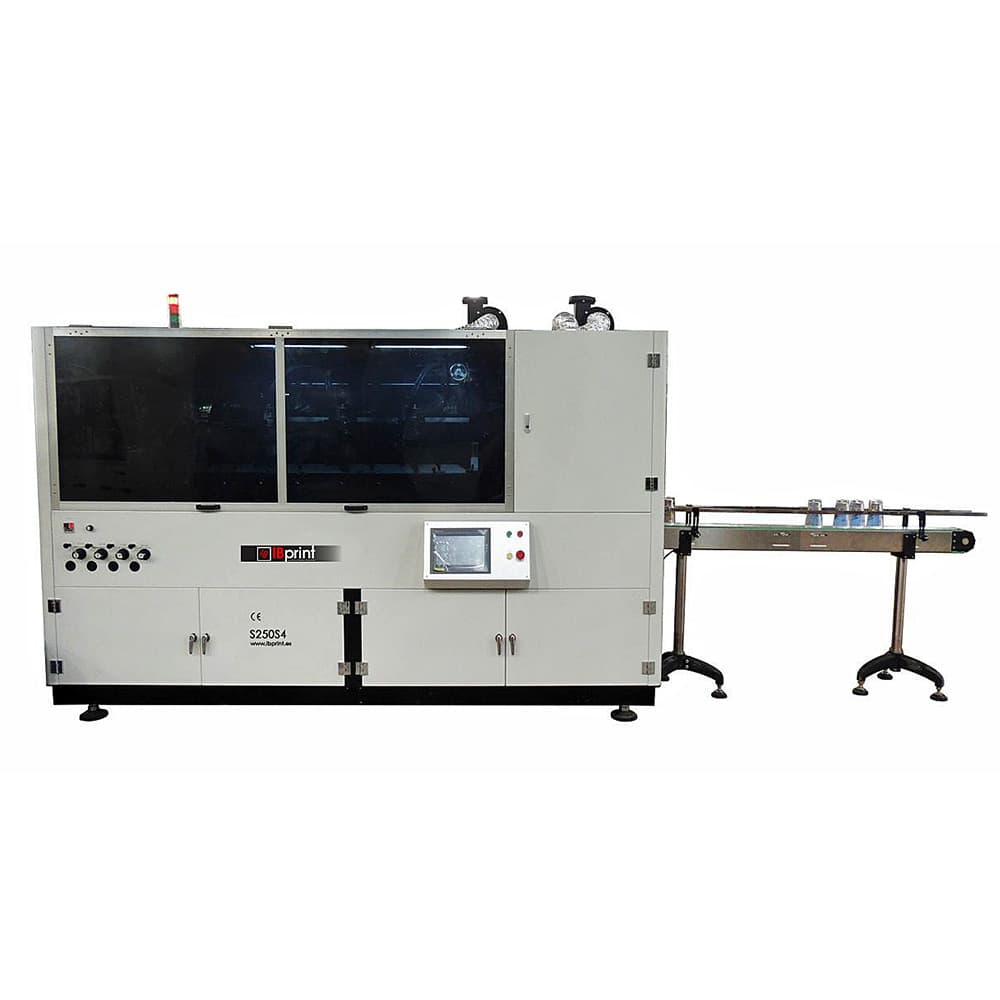
S250S4 – 4-colour automatic screen printing machine
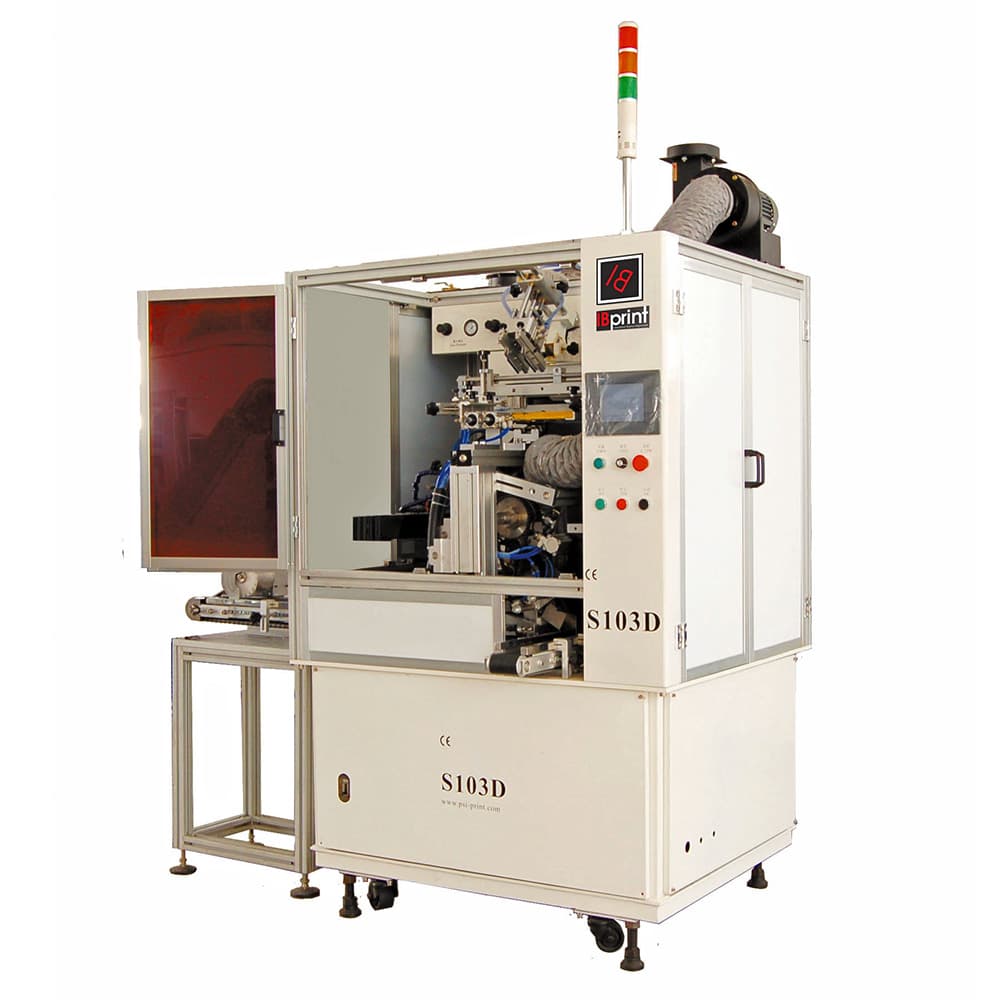
S103D – High-speed single-colour screen printing machine
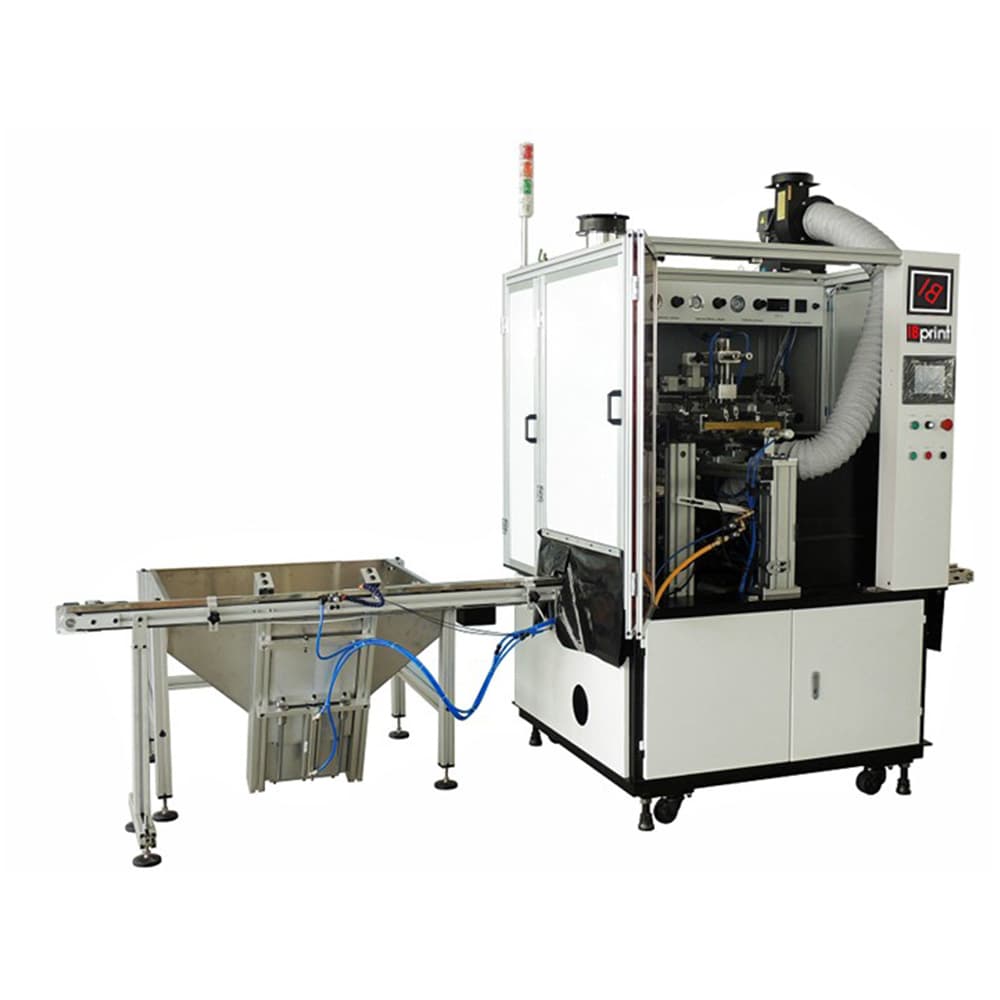
S103 – Automatic cylindrical screen printing machine
Technical guide
Automatic screen printing: when it pays off and what it solves
Automatic screen printing is the step from a run managed by an operator to a line that produces on its own. It covers everything from cylindrical containers (tubes, caps, bottles, glasses and mugs) to high-volume flat formats, with full-servo and CNC lines of up to 8 colours.
When should you move from semi-automatic to automatic?
The decision is about volume and repeatability, not budget. An automatic line keeps registration, squeegee pressure and ink deposit constant over long runs, and reduces labour per part. In return, setting up each job takes more time. That is why it pays off when runs are long and job changes infrequent; with many changes and short runs, a semi-automatic machine usually works out more profitable.
What does "full servo" mean?
That the main movements are driven by electronically controlled servomotors instead of mechanical cams or pneumatic cylinders. This makes it possible to program the stroke, speed and acceleration of each axis from the controller, save the parameters as a recipe per job and recall a setting without recalibrating by hand. In practice, it greatly shortens changeovers and eliminates drift between operators.
Printing on containers and cylindrical parts
In cylindrical screen printing, the part rotates in sync with the squeegee stroke, so the image unrolls onto the curved surface without distortion. The configuration depends on the diameter, the taper and the material of the container, and determines the holding fixture. It is the usual route for soft tubes, caps, jars, glass bottles, stemware and mugs.
Drying is part of the line
In multicolour work, each layer has to be ready before it receives the next, so curing or drying is placed between stations. With UV and UV-LED inks polymerisation is instantaneous and the part can be handled straight away; with inks that dry by evaporation a hot-air tunnel is needed and, therefore, more metres of line. When sizing the installation, drying has to be counted, not just the printing machine.
What the installation needs
Normally compressed air, the electrical supply specified by the equipment and the curing system suited to the chosen ink. On top of that comes the prepress area (exposing, developing and reclaiming screens), which in a screen printing workshop usually takes up as much space as the line itself.
Frequently asked questions
About automatic screen printing
When is it worth moving to an automatic screen printing machine?
When the volume can no longer be absorbed by a semi-automatic machine without running back-to-back shifts, or when repeatability matters more than flexibility. An automatic line keeps registration and ink deposit constant over long runs and reduces labour per part; in return, setting up each job is more costly, so it pays off with long runs and infrequent job changes.
What does it mean for a screen printing machine to be "full servo"?
That the main movements are driven by electronically controlled servomotors instead of mechanical cams or pneumatic cylinders. This makes it possible to program the stroke, speed and acceleration of each axis from the controller, store recipes per job and repeat a setting without recalibrating by hand.
How many colours can an automatic screen printing line handle?
The automatic lines in the IBPRINT catalogue go up to 8 colours. Drying or curing is placed between one station and the next, because in multicolour work the ink has to be ready before it receives the next colour.
Can containers and cylindrical parts be screen printed?
Yes. There is dedicated equipment for printing containers and round parts such as soft tubes, caps, bottles, glasses and mugs, with holding and synchronised rotation systems that roll the part against the mesh. The configuration depends on the diameter, the taper and the material of the container.
What does the installation need apart from the machine?
Normally compressed air, the electrical supply the equipment calls for and the drying or curing system suited to the ink: a UV or UV-LED curing tunnel for ultraviolet-curing inks, an oven or air tunnel for inks that dry by evaporation. Floor space has to be planned including the drying line, not just the printing machine.